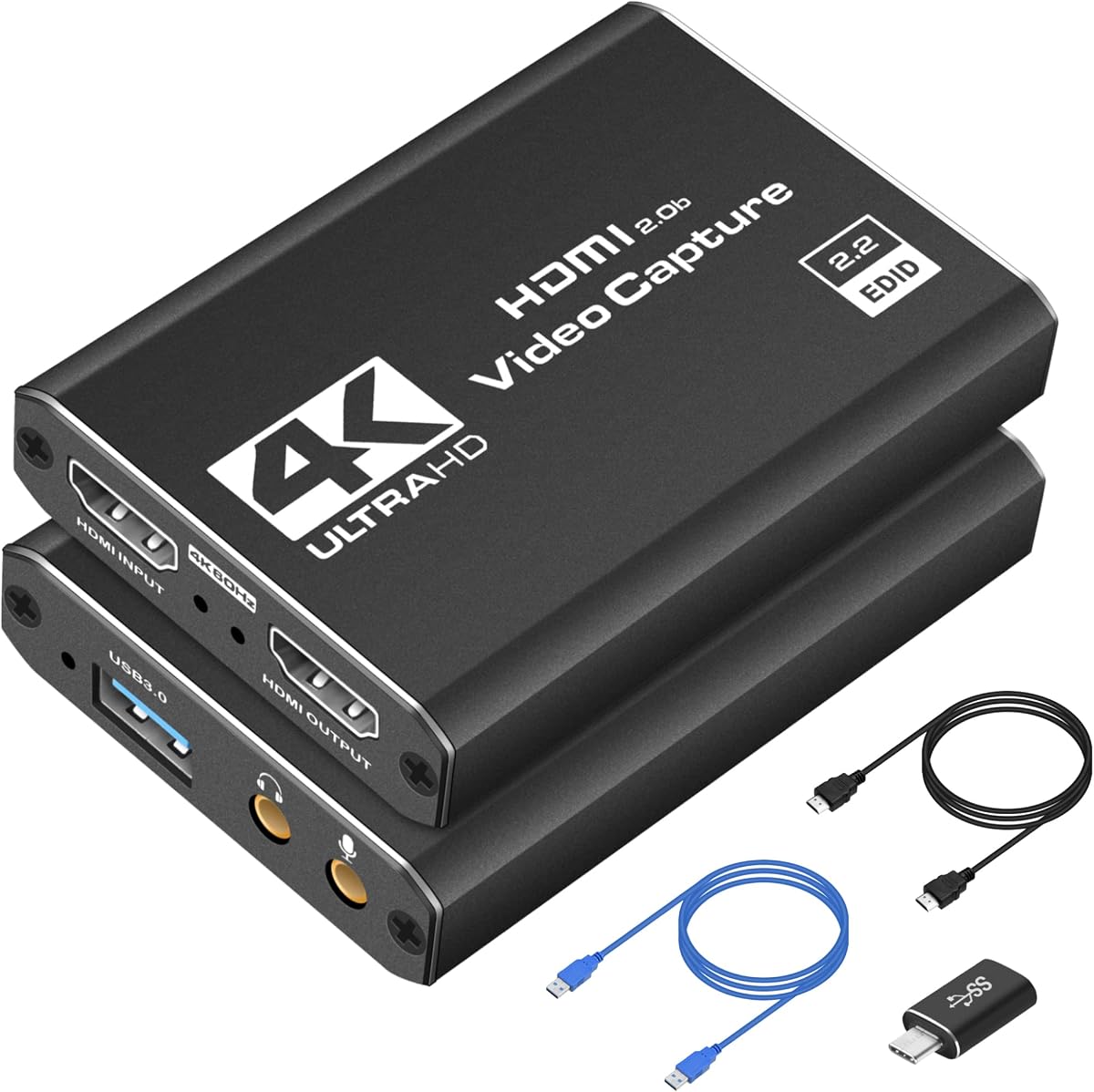
Capture Card 4K HDMI Video Streaming to USB 3.0 1080P 60FPS Capture Device
4.4Editor score
1080P 60FPS Capture
USB 3.0 Connection
Plug-and-Play Setup
This guide compares the top capture cards for streaming high FPS gameplay, evaluating latency, resolution, and compatibility for content creators and gamers.
Streaming high FPS gameplay requires hardware that can handle rapid frame rates without lag or quality loss. A good capture card ensures your audience sees every moment clearly while you maintain smooth control during intense gaming sessions.
We compared ten leading capture cards based on resolution support, frame rate capabilities, latency performance, and software compatibility. Our analysis focuses on devices that deliver reliable streaming for Twitch, YouTube, and other platforms.
Each pick highlights unique strengths for different budgets and setups, from budget-friendly options to premium internal cards. Prices and availability change frequently, so verify current details before making your final decision for your streaming rig.
4.4Editor score
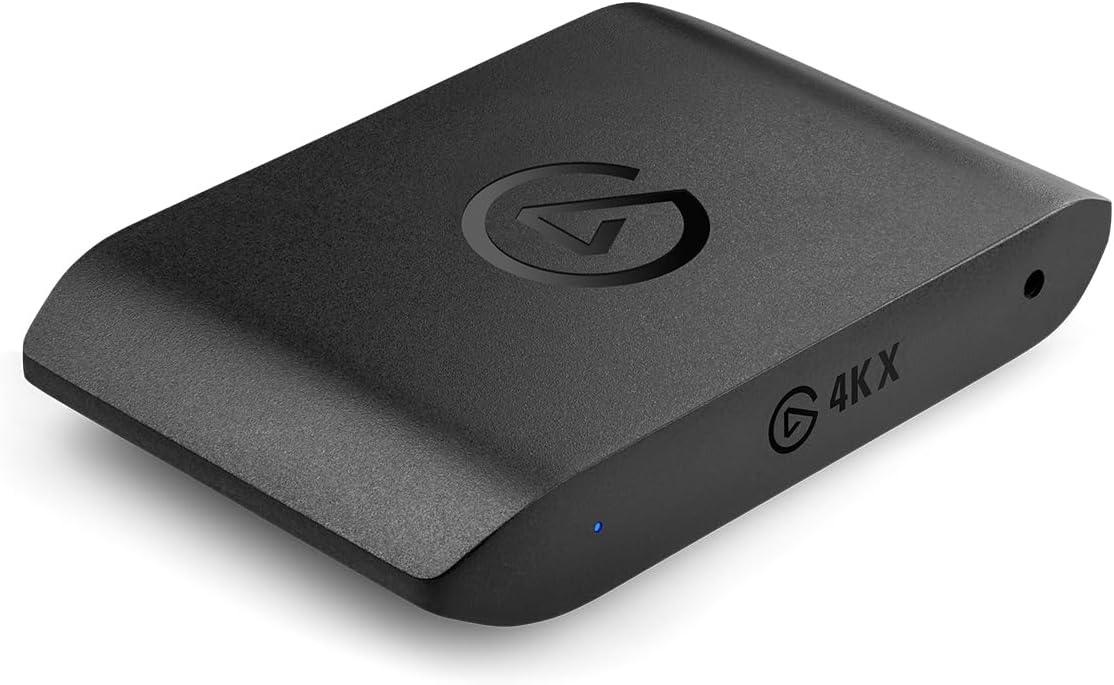
4.5Editor score

4.5Editor score
This side-by-side comparison evaluates ten capture cards across key performance metrics including resolution support, frame rate handling, latency, and connectivity options. Each device offers distinct advantages for streaming high FPS gameplay on various platforms.


This capture card delivers solid 1080P 60FPS performance for budget-conscious streamers. It supports HDMI input from consoles and cameras, making it versatile for various setups. Users appreciate its plug-and-play functionality without needing drivers.
We may earn a commission when you buy through this link, at no additional cost to you.
The USB 3.0 connection ensures stable data transfer for smooth streaming. It works well with popular software like OBS Studio and Streamlabs. The compact size allows easy transport for LAN parties or travel.
While it lacks 4K capture, it handles 1080P streaming efficiently. Passthrough functionality lets you play without lag while recording. Audio integration is simple with standard 3.5mm support for commentary.
Ideal for beginners starting streaming channels. It balances cost and performance effectively. Check current availability and compatibility with your specific console before purchase.
This device offers a cost-effective entry point for high frame rate streaming without breaking the budget.
Works seamlessly with PS5, Xbox, Switch, and PC setups for flexible content creation options.
We may earn a commission when you buy through this link, at no additional cost to you.
This capture card supports 1080P 60FPS output ideal for console streaming. It includes a mic-in port for direct commentary integration. The HDMI loop-out allows you to play without input delay while capturing.
We may earn a commission when you buy through this link, at no additional cost to you.
It connects via USB 3.0 for reliable data transfer to PCs. Compatible with Windows and Mac OS systems broadly. Works with OBS, Potplayer, and other streaming software easily.
While input supports higher resolutions, output remains 1080P. This suits most streaming platforms well. The device identifies as webcam automatically for easy setup.
Good for creators needing mic integration without extra hardware. It simplifies setup for live commentary. Verify supported resolutions match your specific workflow needs before purchase.
The built-in mic port streamlines audio capture for commentary during gameplay streams.
HDMI loop-out ensures you experience zero lag while streaming or recording content.
We may earn a commission when you buy through this link, at no additional cost to you.
This premium capture card delivers 4K resolution at 144 frames per second. HDMI 2.1 enables high bandwidth for modern consoles. Variable Refresh Rate passthrough prevents screen tearing during gameplay.
We may earn a commission when you buy through this link, at no additional cost to you.
USB 3.2 Gen 2 ensures ultra-low latency for synchronized streaming. Compatible with OBS, Streamlabs, Twitch Studio, and other apps. It supports multiple platforms including Discord, YouTube, and Facebook Gaming.
The device captures up to 240fps at 1080p for competitive titles. VRR ensures smooth visuals without artifacts. Build quality reflects professional streaming standards for reliability.
Ideal for serious streamers needing maximum frame rates. It handles high-end setups effortlessly. Verify your PC has sufficient USB bandwidth before installation.
Capture gameplay at 144fps in 4K or 240fps at 1080p for fluid streaming.
Variable Refresh Rate passthrough eliminates tearing for uninterrupted visual experiences.
We may earn a commission when you buy through this link, at no additional cost to you.
This capture card handles 4K60FPS capture via USB 3.0. It passes through 4K HDMI for real-time monitoring. Supports MJPEG, YUY2, and other formats for flexibility.
We may earn a commission when you buy through this link, at no additional cost to you.
It works across Windows, macOS, Linux, and Android systems. Includes 3.5mm audio input for external commentary. Compatible with OBS, Streamlabs, and major platforms.
High frame rate input like 1080P 120FPS is supported. Pass-through ensures you play without latency. Design fits portably for various setup environments.
Suits creators needing 4K output without expensive gear. It balances performance and compatibility well. Check firmware updates for optimal functionality on your OS.
Supports multiple encoding formats for optimized streaming workflows.
Compatible with diverse operating systems for wide accessibility.
We may earn a commission when you buy through this link, at no additional cost to you.
This capture card accepts 4K HDMI input with 1080P 60Hz output. YUY2 technology delivers richer colors than MJPEG. Mic-in port allows direct headset connection without adapters.
We may earn a commission when you buy through this link, at no additional cost to you.
Plug-and-play setup works without drivers on Windows and macOS. It supports OBS, XSplit, and other streaming apps. Compact size fits easily in travel bags.
Ideal for teaching or vlog dubbing with synced audio. Low latency ensures video matches voice perfectly. Compatible with multiple devices like PS5, Xbox, and DSLR.
Great for mobile creators needing reliable performance. It simplifies audio and video integration. Verify output requirements match your streaming platform capabilities.
YUY2 technology provides lifelike color for high-quality live streaming.
Direct mic connection simplifies commentary for gaming or classes.
We may earn a commission when you buy through this link, at no additional cost to you.
This capture card supports 4K 60Hz capture with high refresh passthrough. It handles 1080p@240Hz and 2K@120Hz passthrough. YUY2, NV12, and RGB24 formats enhance visual quality.
We may earn a commission when you buy through this link, at no additional cost to you.
Variable Refresh Rate and HDR improve image fidelity. Real-time operation parameters allow smart control of settings. Works with Windows, macOS, and Linux seamlessly.
PORTTA CapHub Utility customizes video and audio mixing. Firmware updates and EDID modes optimize performance. Compatible with major gaming consoles and streaming software.
Ideal for creators needing high refresh passthrough. It balances capture and passthrough capabilities well. Check utility compatibility with your streaming platform before purchase.
Enjoy 240Hz passthrough while capturing 4K 60Hz content.
CapHub Utility provides deep control over video and audio settings.
We may earn a commission when you buy through this link, at no additional cost to you.
This capture card delivers 4K@30fps with HDR passthrough. It supports 1080P@120fps for smoother streaming visuals. Near-zero latency ensures synchronized broadcast and gameplay.
We may earn a commission when you buy through this link, at no additional cost to you.
Certified for OBS Studio ensures optimal streaming performance. USB 3.2 Type-C allows fast plug-and-play setup. The alloy outer shell offers enhanced durability.
Audio sharing from team comms is supported via headset connections. Slim footprint fits into compact gaming setups. Works with PC, PS5, Xbox, and Switch.
Suits creators prioritizing build quality and latency. It provides balanced resolution support. Verify your PC supports USB 3.2 Type-C before installation.
OBS certification guarantees seamless integration with professional streaming software.
Alloy shell ensures long-term durability for travel and daily use.
We may earn a commission when you buy through this link, at no additional cost to you.
This capture card supports 4K60 and 1080P@240Hz capture. It matches ultra-wide monitors with lossless passthrough. HDR, VRR, and ALLM ensure tear-free visuals.
We may earn a commission when you buy through this link, at no additional cost to you.
USB-C connection provides stable data transfer. It works with Windows, macOS, and Linux without drivers. Flexible audio mixing includes 3.5mm ports for line-in and headset audio.
Lossless passthrough prevents cropping or compression during streaming. The device is automatically recognized by UVC-compliant software. Suitable for competitive esports footage.
Ideal for creators with high-refresh gaming PCs. It simplifies audio routing and video. Verify your monitors support the specific resolutions before purchase.
Capture 240Hz footage smoothly for competitive streaming.
Maintain original frame rates and aspect ratios without compression.
We may earn a commission when you buy through this link, at no additional cost to you.
This internal PCIe capture card records 4K60 with ultra-low latency. HDMI 2.1 enables support for high frame rates up to 240Hz. Designed for consoles like PS5 and Xbox Series X.
We may earn a commission when you buy through this link, at no additional cost to you.
It installs inside the PC for stable performance. Bypasses USB bandwidth limitations common with external devices. Provides direct connection to internal system resources.
Ideal for stationary studio setups requiring maximum quality. It supports major streaming software. The card ensures low latency for synchronized capture.
Suits advanced users with PCIe availability. It simplifies internal integration. Verify PCIe slot compatibility before purchase.
Direct PCIe installation avoids external USB bottlenecks.
Optimized for PS5 and Xbox Series X performance.
We may earn a commission when you buy through this link, at no additional cost to you.
This internal capture card delivers 8K60 passthrough and 4K60 recording. It uses HDMI 2.1 for high frame rates up to 240fps at 1080p. Designed for seamless broadcasting with OBS and Streamlabs.
We may earn a commission when you buy through this link, at no additional cost to you.
Internal PCIe design ensures ultra-low latency synchronization. VRR passthrough eliminates screen tearing for smooth visuals. Compatible with YouTube, Twitch, Discord, and Facebook Gaming.
It supports multiple streaming platforms with flexibility. The device captures pristine 4K60 quality while allowing 8K output. Perfect for professional studio environments.
Ideal for premium setups needing maximum resolution. It balances internal stability with high performance. Check PCIe availability and system requirements before purchase.
Internal PCIe design provides reliable synchronization for professional streams.
Capture 4K60 and passthrough 8K60 for future-proof quality.
We may earn a commission when you buy through this link, at no additional cost to you.
Choosing a capture card involves matching its technical capabilities with your streaming needs and setup.
Look for cards that support the resolution and frame rate of your source device. If you play on consoles or PCs running at 120Hz or higher, ensure the capture card captures at that rate. Higher frame rates reduce motion blur during fast gameplay scenes.
Prioritize devices that support 4K30 or 1080P120 depending on your platform. This ensures your stream reflects smooth gameplay.
Latency measures the delay between game action and what you see on your screen. Low-latency passthrough is critical for competitive gaming. If the passthrough lags, it affects your gameplay timing and comfort.
Choose cards with near-zero latency specifications. HDMI 2.1 supports higher bandwidth for reduced delays.
External cards use USB 3.0 or USB-C connections. Internal cards install via PCIe slots. External options are easier for portability while internal ones offer more stable performance for desktops.
Check your PC ports before buying. USB-C allows higher bandwidth for higher frame rate capture.
Ensure the capture card works with OBS, Streamlabs, or other tools you use. Compatibility with Twitch, YouTube, and Discord affects your workflow. Some cards require drivers or utilities for full features.
Plug-and-play options simplify setup for beginners. Verify software support matches your platform.
Many capture cards include 3.5mm microphone ports. This allows direct voice commentary without extra interfaces. Audio mixing features help balance game sound and voice in real time.
Look for cards with mic-in and line-in for flexibility. Audio sync is vital for viewer experience.
Alloy shells and compact designs improve durability for travel. Some cards are small enough for pocket storage. Consider if you stream from multiple locations or a fixed studio.
Internal cards are less portable but more stable. External options offer flexibility.
Capture cards range from affordable USB sticks to premium internal PCIe devices. Higher priced models offer better frame rate support. Choose based on how critical high FPS streaming is for your content.
Budget options work well for standard streaming. Premium models suit professional needs.
Connect the capture card to your PC using USB 3.0 or PCIe. Plug your console or PC output into the HDMI input port of the card. Connect your monitor to the HDMI pass-through port for real-time viewing.
Install any required drivers or software for your capture card. For plug-and-play models, ensure your PC recognizes the device as a camera source. Use OBS or similar software to select the capture card as the video source.
Keep the card clean and avoid overheating by ensuring proper ventilation. Regularly check firmware updates for performance improvements. Store the card in a protective case when traveling to avoid physical damage.
Some USB capture cards support 1080P at 120Hz. Check the product specifications to confirm maximum capture frame rate. Higher refresh rates require USB 3.0 or USB-C connections with sufficient bandwidth.
Most external capture cards use minimal CPU resources. Some capture cards support hardware encoding. A dedicated GPU helps if you stream directly from the same PC.
Internal cards generally offer lower latency than external ones. They bypass USB bottlenecks by connecting directly to the motherboard. They are ideal for desktop setups with available PCIe slots.
HDR passthrough maintains High Dynamic Range video quality from source to monitor. It requires HDMI 2.1 support. Without HDR, visuals may lose contrast and color depth.
Most capture cards accept external audio via 3.5mm ports. Console audio can be extracted using optical cables. Capture cards themselves rarely support console cameras directly.
Ensure USB ports are 3.0 or higher. Use high-quality HDMI cables. Check software settings for hardware encoding. Update capture card drivers regularly.
We reviewed ten capture cards offering a range of resolutions and frame rates for streaming high FPS gameplay. Budget options provide solid 1080P performance while premium cards deliver 4K and higher refresh rates.
Consider your primary platform and whether portability or desktop stability matters most. Check compatibility with your streaming software to ensure seamless integration without extra steps.
Prices and availability change frequently, so verify current details before purchasing. With the right capture card, your audience will enjoy fluid high FPS content consistently.