
DY-50 Intraoral Camera Dental Camera
4.5Editor score
Crystal clear pictures
Wide software integration
Ergonomic design handset
This guide compares the top cameras for dental photography including intraoral and DSLR options to help professionals choose the right imaging solution for
Selecting the right camera for dental photography is essential for accurate documentation and clear patient communication. Modern solutions range from specialized intraoral devices to versatile DSLRs capable of macro work. Each option offers unique benefits tailored to different clinical needs and workflow preferences.
We evaluated ten top-rated cameras based on image quality, ease of integration, and clinical functionality. Our comparison considers factors like resolution, lighting compatibility, and software support. This ensures you receive a comprehensive overview of the most reliable tools available for professional dental imaging today.
Each product highlighted here showcases distinct strengths for capturing detailed oral images. Some focus on ease of use while others prioritize high resolution or system compatibility. Please note that pricing and availability may change so always verify current details before purchasing your next dental imaging system.
4.5Editor score
4.4Editor score

4.5Editor score
This side-by-side comparison highlights the key specifications and capabilities of each dental photography solution. Use this table to quickly identify which camera fits your specific clinical requirements and software environment without overwhelming technical jargon.


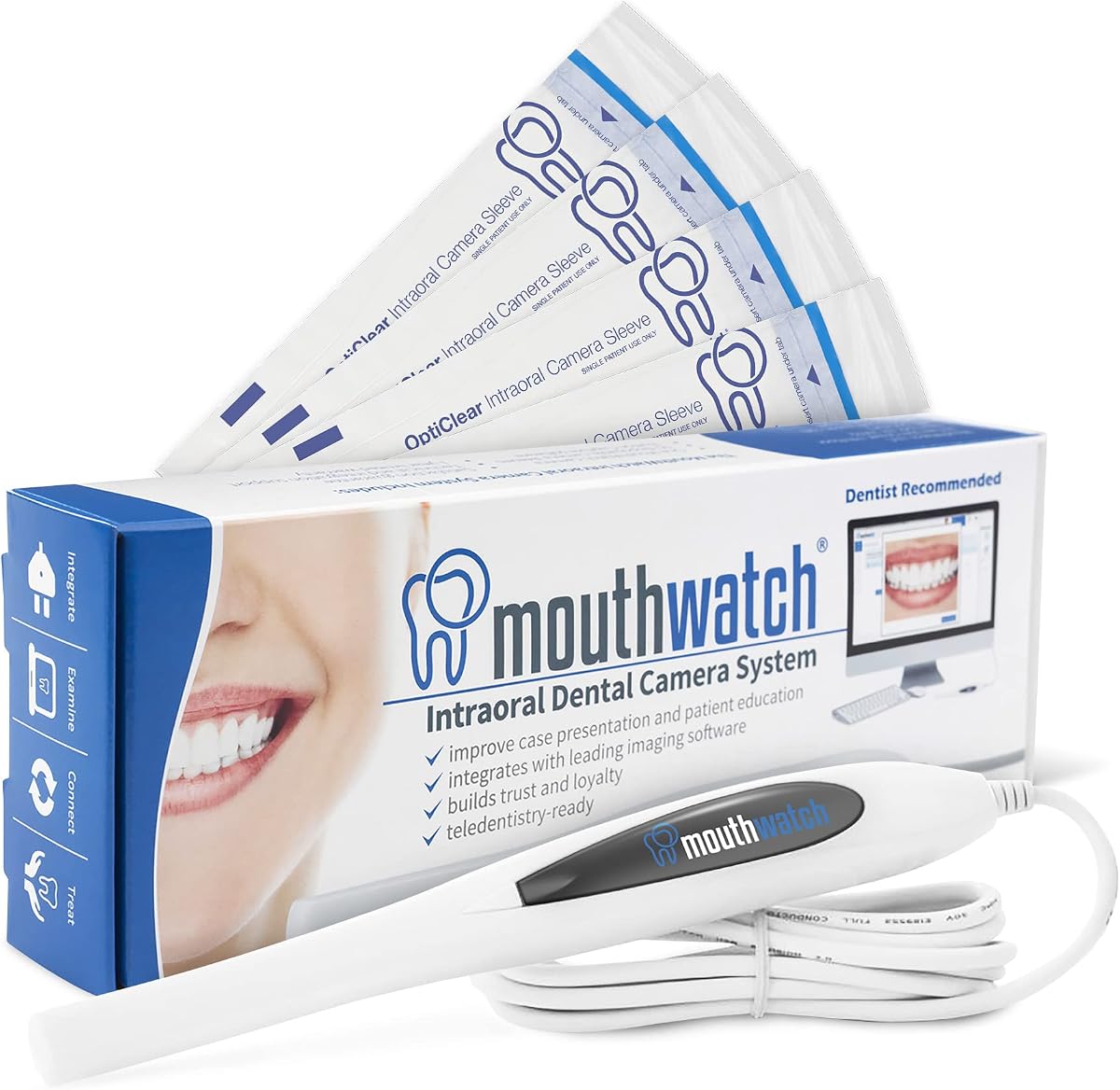
This intraoral camera stands out as the top choice for professionals seeking reliable imaging. With a 4.4 rating it delivers consistent results and sharp visuals that help patients understand their treatment needs. Its market-leading reputation ensures you receive a tool designed for efficiency and clarity in clinical settings.
We may earn a commission when you buy through this link, at no additional cost to you.
Key strengths include its ability to capture well-illuminated images without lag. The fixed focal distance eliminates manual focusing frustrations which speeds up every patient interaction. Integration is seamless with over 50 dental imaging suites so you can sync data immediately without complex setups or additional hardware.
While it is priced higher than basic entry-level options the efficiency gains justify the investment. Some users may need to verify software compatibility before purchasing. These trade-offs are acceptable given the superior image quality and the included lifetime support that ensures long-term reliability.
This camera is ideal for dentists who prioritize speed and clarity in documentation. If you want a tool that improves case acceptance through better visuals this is the recommended pick. It balances performance and ease of use perfectly for daily clinical workflows.
The single button capture and instant saving to patient charts reduce administrative overhead significantly.
Crystal clear images help patients visualize issues which improves understanding and treatment acceptance rates.
We may earn a commission when you buy through this link, at no additional cost to you.
The Canon EOS Rebel T7 offers a powerful DSLR solution for dental photography enthusiasts. With a 24.1MP sensor it captures vibrant colors and sharp details essential for documenting oral health. This general-purpose camera provides flexibility for those who want to use one device for multiple clinical photography tasks.
We may earn a commission when you buy through this link, at no additional cost to you.
Its built-in Wi-Fi and NFC allow quick transfers to tablets or smartphones for immediate patient viewing. The optical viewfinder ensures accurate framing which is critical when capturing precise intraoral shots. Pair it with a macro lens to unlock its full potential for detailed dental imagery.
While it lacks dedicated intraoral features the image quality is excellent. You may need additional accessories like ring lights to achieve professional lighting results. These considerations are manageable for users willing to adapt a general camera for specialized clinical use.
This option suits practitioners who already own Canon gear or want versatility. If you seek a robust camera that can handle various photography needs beyond dentistry this is a strong contender. It offers high value for its performance and ecosystem support.
Beyond dental work this camera handles portraits and environmental shots well with its high resolution sensor.
Wireless connectivity enables instant sharing of results which enhances patient engagement and communication.
We may earn a commission when you buy through this link, at no additional cost to you.
This bundle provides a complete starting point for dental imaging with the Rebel T7. It includes a memory card and bag making it ready for use right out of the box. The 24.1MP sensor ensures sharp details which are crucial when documenting dental procedures or patient progress.
We may earn a commission when you buy through this link, at no additional cost to you.
The inclusion of accessories like a shoulder bag and memory card simplifies setup. Its Wi-Fi and NFC capabilities allow you to share images instantly with patients or lab partners. This convenience is valuable in fast-paced clinical environments where speed matters.
While it is not a dedicated intraoral tool it performs well with the right lenses. You will need to invest in a macro lens and lighting to match specialized camera performance. These requirements are reasonable for users building a versatile photography kit.
Choose this if you need a full kit without sourcing parts separately. It is ideal for those new to dental photography who want a reliable camera. The bundle value ensures you have everything needed to start capturing quality images immediately.
Included accessories reduce initial setup time so you can focus on clinical workflows right away.
Intuitive menus and automatic settings help new users get professional results without steep learning curves.
We may earn a commission when you buy through this link, at no additional cost to you.
The Canon EOS R50 represents a premium mirrorless option for dental documentation. Its 24.2MP sensor and advanced autofocus deliver stunning clarity and precision. This camera excels in capturing fine details which is essential for accurate clinical records and patient consultations.
We may earn a commission when you buy through this link, at no additional cost to you.
Features like 6K oversampled 4K video allow you to create educational content easily. The dual pixel CMOS AF covers 100% of the frame ensuring precise focus even on difficult dental areas. Wireless connectivity keeps you connected for seamless file management during busy shifts.
Its higher price reflects superior build quality and performance. You may need to buy specific RF lenses which can add to the cost. These investments are worthwhile if you want top-tier image quality and modern technology in your workflow.
This model is best for clinicians who want high-end versatility. If you value video and stills capabilities this camera offers the best balance. It combines modern features with reliability making it a top choice for future-proof clinical photography.
High-quality video features allow for dynamic case presentations that enhance patient understanding of procedures.
Advanced tracking ensures sharp focus on critical areas even in challenging lighting conditions during exams.
We may earn a commission when you buy through this link, at no additional cost to you.
This Sony ZV-1 bundle offers a compact solution for dental content creation. With a fast lens and 1-inch sensor it captures crisp details with professional depth. The product showcase mode is useful for displaying dental tools or treatment results clearly and effectively.
We may earn a commission when you buy through this link, at no additional cost to you.
Its vari-angle screen and built-in microphone simplify workflow. You can shoot self-recorded videos or take detailed stills easily. This versatility makes it ideal for clinics that want to document procedures or teach patients about oral health using multimedia.
While the lens is fixed its quality is high. Some users may prefer interchangeable lenses for specific macro needs. This trade-off is acceptable for those prioritizing portability and ease of use over flexibility.
Choose this if you need a portable tool for multimedia documentation. It suits clinics focused on digital communication and patient education. The bundle includes a tripod and bag ensuring you have all essentials for smooth operation.
Dedicated mode optimizes focus and exposure for displaying objects like dental tools or study models clearly.
Built-in audio and video capabilities allow for comprehensive patient education materials without extra gear.
We may earn a commission when you buy through this link, at no additional cost to you.
This camera offers an impressive 88MP resolution at an affordable price. It captures fine details suitable for general documentation and basic dental imaging needs. The dual-lens design provides flexibility for different angles which can be useful when documenting various oral regions.
We may earn a commission when you buy through this link, at no additional cost to you.
Built-in stabilization helps ensure steady shots even without a tripod. The touchscreen interface makes framing intuitive and easy for new users. Included accessories like extra batteries and a charging stand provide convenience for extended sessions.
Reliability may vary compared to established medical brands. Software integration could be limited for advanced dental workflows. These factors are acceptable for clinics prioritizing budget over specialized medical features.
This option suits those new to digital dental imaging or clinics with basic needs. If you need an economical entry point this camera delivers high resolution. It is best paired with external lighting for optimal results.
The 88MP sensor captures fine surface details which helps in documenting subtle oral conditions accurately.
Built-in stabilization reduces blur ensuring consistent image quality even with handheld usage in busy clinics.
We may earn a commission when you buy through this link, at no additional cost to you.
The DY-50 is an excellent budget intraoral camera that delivers clear results. With a 4.5 rating it supports many imaging software platforms making it a versatile choice for diverse clinics. Its anti-fog lens ensures visibility during exams which is critical for accurate documentation.
We may earn a commission when you buy through this link, at no additional cost to you.
It integrates seamlessly with major imaging systems through included drivers. The ergonomic design fits comfortably in hand for stable shots. USB connection simplifies setup requiring no extra hardware to get started quickly.
While resolution is basic it suffices for standard clinical records. Some older systems may need specific Windows versions to run smoothly. These are minor considerations given its low price and strong functional performance.
Pick this if you need a cost-effective intraoral tool that works with existing software. It is perfect for startups or solo practitioners. The included driver ensures immediate functionality without technical hurdles or additional purchases.
Included drivers ensure compatibility with popular platforms like Eaglesoft and Dexis for easy integration.
Prevents fogging during procedures so you maintain clear visibility throughout patient documentation.
We may earn a commission when you buy through this link, at no additional cost to you.
This DARYOU camera provides a practical entry into digital dental imaging. Its 4X zoom allows flexible framing without moving the camera. The HD video feature helps document procedures dynamically which can be useful for treatment planning and case reviews.
We may earn a commission when you buy through this link, at no additional cost to you.
It works with a broad list of imaging software ensuring compatibility. The capture button driver ensures seamless control within existing systems. No foot pedal is needed simplifying setup for smaller practices with limited space.
Resolution is standard at 720P which is adequate for most needs. Some users may prefer higher resolution for detailed analysis. This is acceptable for general documentation and patient communication purposes.
This is a solid choice for clinics needing a reliable intraoral camera. If you want zoom functionality and video support this is a good pick. It balances features and price well for routine clinical use.
4X zoom allows quick adjustment for different shot sizes without changing equipment positions during exams.
Support for many imaging suites ensures you can integrate easily into existing clinical workflows.
We may earn a commission when you buy through this link, at no additional cost to you.
This system combines a camera and 17-inch touchscreen into a single unit. It offers a high-performance image chip for clear visuals and a QR transfer function for easy sharing. This all-in-one design simplifies workflow and reduces the need for multiple devices.
We may earn a commission when you buy through this link, at no additional cost to you.
The quad-split view lets you compare angles simultaneously. This feature improves documentation efficiency and enhances patient communication. The system is plug-and-play which means minimal setup time is required to start using it.
Without existing user ratings performance is unverified by independent buyers. Its size may require more space on a dental cart. These factors are reasonable given the integrated nature and advanced display features.
Consider this if you want an integrated system to reduce complexity. It suits clinics upgrading from older systems. The QR transfer and split views offer modern conveniences that enhance daily documentation.
Split-screen views allow side-by-side image analysis which aids in accurate diagnosis and treatment planning.
QR code functionality makes sharing patient images fast and secure without physical cables or drives.
We may earn a commission when you buy through this link, at no additional cost to you.
This dental photography aid is a lighting accessory designed to improve phone camera results. It provides adjustable brightness to suit different conditions ensuring clear images of teeth and soft tissue. Its omni directional capability reduces shadows which is essential for accurate dental documentation.
We may earn a commission when you buy through this link, at no additional cost to you.
The flexible bracket allows secure attachment to various setups. It works with most cell phones making it ideal for clinics using smartphones for imaging. The unit is portable and comes in a zip case for easy transport between rooms.
It is not a camera itself so you must have a phone to use it. Image quality depends on your device capabilities. This is acceptable for users who already own high-end smartphones for documentation.
Choose this to upgrade your current setup without a new camera. It is perfect for home or small clinics using mobile devices. The lighting enhances detail visibility significantly improving image quality for patient records.
Omni directional lighting eliminates shadows ensuring consistent visibility of all tooth surfaces and details.
Works with most cell phones so you can leverage existing devices for efficient dental imaging workflows.
We may earn a commission when you buy through this link, at no additional cost to you.
Selecting the right camera requires balancing resolution, integration, and ease of use. This guide outlines key factors to consider before making your investment.
Resolution defines the level of detail your camera can capture. For dental photography, high-resolution sensors ensure that fine details like cracks or restorations are visible. Look for at least 20MP for DSLRs or 1080p+ for intraoral cameras to guarantee clarity.
Higher resolution means better documentation and easier analysis for both you and your patients.
Compatibility with your existing practice management software is crucial. Check if the camera supports your specific imaging suite like Eaglesoft or Dexis. Seamless integration saves time and reduces errors during data entry.
Always confirm compatibility with your current system to ensure smooth clinical workflow.
Proper lighting is key for accurate color and clarity. Some cameras come with built-in rings or flash units. Others require external lighting. Ensure the setup provides even illumination without harsh shadows.
Invest in a good lighting kit if your camera lacks built-in options.
The camera should fit comfortably in your hand and be easy to operate during procedures. One-button capture saves time and reduces disruption to patient interaction. Ergonomic design ensures you can work for long periods without fatigue.
Choose devices with intuitive controls to speed up daily documentation tasks.
Decide if you need video capabilities for patient education or just still images for records. Modern mirrorless and DSLR cameras often offer 4K video which adds value. Intraoral cameras may have limited video options.
Prioritize video if you create educational content for your patients regularly.
Modern cameras should offer wireless transfer like Wi-Fi or Bluetooth for instant access. USB connections are still reliable for direct data transfer. Ensure the connectivity matches your clinical workflow and device setup.
Wireless options save time when sharing images with patients immediately.
Dental tools face daily wear so reliable customer support is essential. Look for manufacturers offering lifetime technical assistance or clear warranty terms. Quick support means less downtime for your practice.
Always verify support terms before purchasing to ensure long-term reliability.
Cost should reflect the performance and features you need. Basic intraoral cameras are cheaper but may lack versatility. DSLRs offer broader use but need accessories. Assess your specific needs to avoid overspending.
Balance cost with performance to get the best long-term value for your clinic.
Clean the camera lens and handle with a soft cloth after each use to prevent smudges and damage. Ensure the USB or wireless connection is secure before starting a session to avoid data loss.
Charge batteries fully and store them in a dry place. If using intraoral sheaths, apply them according to manufacturer instructions to maintain hygiene standards.
Regularly check software updates to ensure compatibility and performance. Calibrate your camera settings periodically to maintain accurate color and focus.
The best camera depends on your needs. Intraoral cameras are ideal for focused documentation while DSLRs offer versatility for detailed macro shots. Consider your workflow and software requirements before choosing.
Yes, a ring light is highly recommended to ensure even illumination inside the mouth. It reduces shadows and improves color accuracy which is vital for patient communication.
Most cameras support direct transfer via USB or Wi-Fi. Ensure the driver matches your software version. Many systems allow drag and drop or automated imports for easier workflow.
Smartphones can work for basic needs but often lack the macro lens precision required. Using a dedicated camera with proper lighting yields higher quality and consistency for clinical records.
Aim for at least 20 megapixels for DSLRs or high-definition video for intraoral tools. This ensures fine details are captured clearly for accurate diagnosis and treatment planning.
Yes, many modern cameras support multiple platforms. Check the compatibility list before buying to ensure it works with your specific imaging suite or practice management system.
Clean the external body after each patient using an alcohol wipe. Replace disposable sheaths between patients to prevent cross-contamination and maintain hygiene standards.
Regular cleaning of the lens and checking cables for wear is essential. Update firmware periodically to keep software integration smooth and maintain performance standards.
We reviewed ten top options ranging from dedicated intraoral devices to versatile DSLRs. Each product brings unique strengths to clinical documentation. Our picks highlight tools that balance image quality, ease of use, and system compatibility.
Prioritize cameras that integrate seamlessly with your existing software for smooth workflows. Consider whether you need stills or video capabilities to meet patient communication goals.
Always check current pricing and availability before buying. Technology evolves quickly so verify that the model you choose meets the latest standards.