
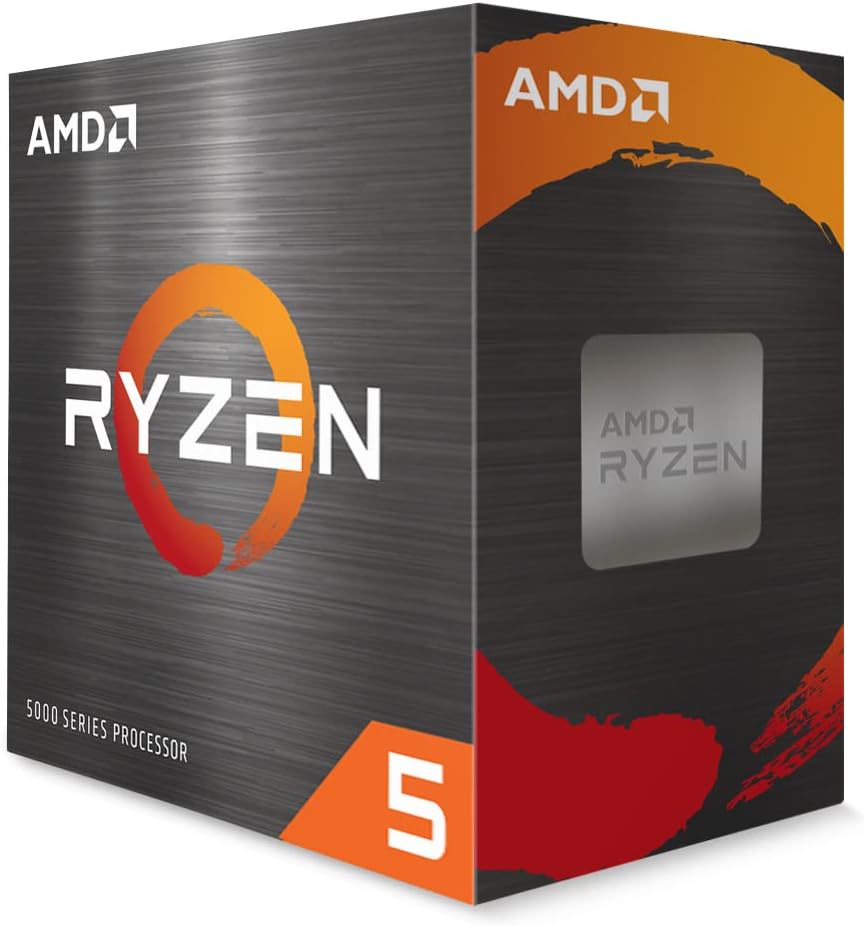
AMD Ryzen 5 9600X
4.8Editor score
6 cores for efficient processing
Up to 5.4 GHz boost clock
38MB cache for quick loads
Find the best CPU for Excel and Data Analysis with our expert guide comparing top processors for speed, efficiency, and performance in spreadsheets and data
Choosing the right CPU for Excel and Data Analysis is crucial for professionals who handle large datasets daily. A powerful processor ensures smooth calculations, faster macros, and reliable performance during complex financial modeling or statistical analysis workflows.
We compared ten top-rated processors based on core counts, clock speeds, cache sizes, and real-world performance metrics. Our selection includes options from Intel and AMD to help you find the perfect balance between budget and high-end computing power.
Each pick highlights specific strengths for spreadsheet workloads and data crunching tasks. Note that prices fluctuate frequently, so check current listings before purchasing to ensure you get the best value for your specific computing needs today.
4.8Editor score

4.6Editor score

4.8Editor score
This table provides a side-by-side comparison of the top ten processors selected for Excel and Data Analysis workloads. Review the core counts, thread counts, and cache sizes to determine which model fits your performance requirements.


The Intel Core Ultra 9 285K stands out as the premier choice for heavy data analysis. With 24 cores and speeds up to 5.7 GHz, it handles complex Excel formulas and large datasets with ease.
We may earn a commission when you buy through this link, at no additional cost to you.
Its performance hybrid architecture distributes workloads efficiently between P-cores and E-cores. This ensures that background tasks do not interfere with your active spreadsheet calculations, keeping your workflow smooth and uninterrupted.
While it requires a robust cooling solution and consumes significant power, the performance gains justify the investment for professionals. The 40MB cache significantly reduces latency when accessing large data tables.
Buy this if you need top-tier performance for daily financial modeling or statistical analysis. It is the definitive processor for power users who demand the fastest possible response times.
Integrating two microarchitectures prioritizes critical calculations on performance cores while managing background processes on efficiency cores.
The 40MB cache ensures that frequently accessed data remains close to the cores, minimizing fetch times from main memory.
We may earn a commission when you buy through this link, at no additional cost to you.
The AMD Ryzen 7 9800X3D offers a unique advantage for data workloads with its massive 96MB L3 cache. This specialized memory layer drastically reduces latency when querying large datasets within Excel.
We may earn a commission when you buy through this link, at no additional cost to you.
Built on Zen 5 technology, this processor delivers significant IPC uplift. The improved instructions per cycle means more calculations are completed per clock cycle, enhancing overall spreadsheet responsiveness.
While it has fewer physical cores than the flagship Intel options, its efficiency and cache size make it ideal for single-threaded optimization. The thermal performance is notably better than previous generations.
Invest in this if your workflow relies heavily on cached data access and single-threaded speed. It offers a premium experience for those who value efficiency and raw computation power.
The Next Gen 3D V-Cache provides a substantial memory pool that sits directly on the processor die for ultra-fast access.
Improved thermal performance allows for higher sustained clock speeds without excessive heat output or noise.
We may earn a commission when you buy through this link, at no additional cost to you.
The AMD Ryzen 5 9600X delivers exceptional value for professionals on a budget. With 6 cores and a 5.4 GHz max boost, it handles everyday Excel tasks and moderate data analysis without breaking the bank.
We may earn a commission when you buy through this link, at no additional cost to you.
Its Zen 5 architecture ensures modern efficiency and speed. The unlocked multiplier allows for easy overclocking if you need extra headroom for complex macros or heavier workloads.
While it lacks the core count of high-end models, it is more than capable for standard business applications. The support for fast DDR5 memory further enhances data throughput.
Choose this if you need a reliable, fast processor without spending a premium. It is perfect for small businesses or individuals managing standard data sets.
Based on the latest Zen 5 design, offering a significant performance jump over previous generation entry-level CPUs.
Socket AM5 support ensures compatibility with future upgrades, protecting your investment in the long run.
We may earn a commission when you buy through this link, at no additional cost to you.
The Intel Core i9-14900K is a powerhouse for users who need the absolute fastest clock speeds. With up to 6.0 GHz, it excels at single-threaded spreadsheet calculations and rapid data processing.
We may earn a commission when you buy through this link, at no additional cost to you.
Its hybrid architecture combines performance and efficiency cores to handle multitasking. You can run heavy data exports in the background while working on a complex model without any lag.
Despite its high performance, thermal management is a consideration. The processor runs hotter than some competitors, so a high-quality cooling solution is mandatory for stable operation.
This is the right choice if raw speed is your priority and you have a robust cooling setup. It balances performance and versatility for demanding office environments.
Leading max clock speeds provide rapid responsiveness for tasks that rely heavily on single-core performance.
Support for DDR5 memory cuts load times and increases bandwidth for larger data set transfers.
We may earn a commission when you buy through this link, at no additional cost to you.
The Intel Core Ultra 7 270K Plus brings next-gen features to power users. With 24 cores and a 5.5 GHz max turbo frequency, it handles demanding creator and analysis tasks efficiently.
We may earn a commission when you buy through this link, at no additional cost to you.
Designed for the 800 Series chipset, it supports the latest DDR5 speeds and PCIe 5.0. This ensures your data transfer speeds keep up with rapid processing capabilities.
The unlocked design allows for performance tuning, letting you squeeze out more speed if needed. It is a robust option for those planning a new high-performance build.
Buy this if you are building a workstation from scratch. The modern features and core count make it a solid long-term investment.
Compatible with the latest chipsets to ensure support for high-speed memory and next-generation connectivity.
Unlocked for performance tuning when paired with Intel Z-series chipsets for enthusiasts seeking maximum speed.
We may earn a commission when you buy through this link, at no additional cost to you.
The AMD Ryzen 9 9950X is the ultimate multitasking processor with 16 cores and 32 threads. It is perfect for analysts who run multiple heavy applications simultaneously without slowdowns.
We may earn a commission when you buy through this link, at no additional cost to you.
With an 80MB cache and 5.7 GHz boost, it handles large data imports and complex VBA macros smoothly. The Zen 5 architecture ensures high efficiency even under full load.
Due to its power and heat output, a liquid cooler is recommended. The performance is unmatched for professional workloads that require sustained processing power over long periods.
Choose this if you are a professional data scientist or heavy Excel user. It handles the most demanding workloads with ease and future-proofs your workstation.
With 32 threads, you can run parallel data processing tasks or export files without impacting active work.
The 80MB cache reduces bottlenecks during heavy data computation tasks.
We may earn a commission when you buy through this link, at no additional cost to you.
The Intel Core i7-12700KF is a strong mid-range option with 12 cores and 20 threads. It delivers high performance for demanding applications like Excel at a competitive price point.
We may earn a commission when you buy through this link, at no additional cost to you.
The hybrid architecture prioritizes critical tasks on performance cores, ensuring smooth operation during complex calculations. It supports both DDR4 and DDR5 memory, offering flexibility in system builds.
While it is an older platform compared to the latest generations, it remains a powerful tool for data analysis. The lack of integrated graphics means you need a discrete GPU.
Buy this if you want balanced performance without the highest cost. It is suitable for most business professionals and data analysts working with standard datasets.
With 36MB of total cache, it handles computation-intensive apps with improved efficiency compared to previous generations.
The architecture enables improved performance per watt, making it power-efficient for all-day use.
We may earn a commission when you buy through this link, at no additional cost to you.
The Intel Core i5-14400F offers a practical solution for everyday Excel work. With 10 cores and 16 threads, it handles spreadsheets and moderate data analysis efficiently.
We may earn a commission when you buy through this link, at no additional cost to you.
Its performance hybrid architecture prioritizes workloads to optimize performance. It is compatible with both 600 and 700-series chipsets, providing flexibility in motherboard selection.
A thermal solution is included, which simplifies the build process. For users on a tight budget, this CPU provides reliable performance without additional accessory costs.
Choose this for basic to intermediate data analysis needs. It is ideal for users who need a stable system without high-end performance requirements.
Integrates two core microarchitectures to distribute workloads for better optimization.
Supports both DDR4 and DDR5 memory, giving you options for different budget levels.
We may earn a commission when you buy through this link, at no additional cost to you.
The AMD Ryzen 9 9900X bridges the gap between mainstream and high-end performance. With 12 cores and 24 threads, it handles multi-threaded data tasks effectively.
We may earn a commission when you buy through this link, at no additional cost to you.
Its 76MB cache and 5.6 GHz boost ensure quick access to data and fast processing speeds. The Zen 5 architecture provides a solid foundation for future software updates.
This processor supports DDR5 memory and the AM5 platform, ensuring longevity. While the cooler is not included, the performance justifies the investment for serious analysts.
Buy this if you need high performance but not the absolute highest core count. It is a balanced choice for professionals who need speed and efficiency.
With 12 cores and 24 threads, you get significant multi-threading capabilities for heavy workloads.
The 5.6 GHz Max Boost ensures that even single-threaded tasks run at top speed.
We may earn a commission when you buy through this link, at no additional cost to you.
The AMD Ryzen 5 5500 is an excellent entry-level processor for basic Excel tasks. With 6 cores and 12 threads, it manages spreadsheets effectively for small teams or individuals.
We may earn a commission when you buy through this link, at no additional cost to you.
It comes bundled with the Wraith Stealth cooler, which simplifies installation and keeps costs down. The unlocked design allows for modest overclocking if you need extra power.
While it uses the older AM4 platform, it remains a capable tool for standard office work. It supports DDR4 memory, which is often cheaper than DDR5 options.
This is the perfect choice for users on a strict budget. It provides reliable performance for everyday calculations without requiring expensive new hardware.
Bundled with the AMD Wraith Stealth cooler to save on additional cooling costs.
Suitable for standard spreadsheet work and moderate data processing tasks.
We may earn a commission when you buy through this link, at no additional cost to you.
Selecting the right CPU requires understanding your specific workload. This guide covers key factors to help you make an informed decision.
Core count determines how many tasks a processor can handle simultaneously. For heavy multitasking like running multiple Excel files or background data processing, higher core counts are beneficial.
Aim for at least 8 cores for professional use to ensure smooth performance during complex workflows.
Clock speed measured in GHz dictates how fast individual tasks are processed. Excel often relies on single-threaded performance for many calculations, making high boost speeds crucial.
Look for processors with high max boost clocks to reduce calculation times in large spreadsheets.
Cache memory acts as a high-speed buffer for the CPU. Larger cache sizes allow the processor to store frequently accessed data, reducing the need to fetch from main memory.
Prioritize models with larger L3 cache sizes to improve responsiveness when working with large datasets.
Thread count indicates how many simultaneous instruction streams the CPU can process. Higher thread counts enable better multitasking performance when running multiple applications at once.
Choose a CPU with sufficient threads to handle background exports or data refreshes without lag.
Modern architectures like Zen 5 or Intel Hybrid designs offer better efficiency and performance per watt. Newer generations typically provide better single-core speed and power management.
Opt for the latest available architecture to ensure compatibility with new software and longevity.
Ensure the CPU matches your motherboard socket and chipset. AM5 and LGA1851 offer future upgrade paths, while older sockets like AM4 or LGA1700 may limit longevity.
Check motherboard compatibility lists before buying to avoid compatibility issues during installation.
Power consumption affects system heat and energy costs. High-performance processors often consume more power, requiring robust cooling solutions and adequate power supply units.
Consider TDP ratings to ensure your cooling and power setup can handle the load efficiently.
Many high-performance CPUs do not include a stock cooler. Without adequate cooling, processors may throttle performance to prevent overheating during sustained loads.
Budget for a high-quality aftermarket cooler if your chosen CPU does not come with one included.
Proper installation is critical for CPU longevity. Apply thermal paste evenly and secure the cooler tightly to ensure efficient heat transfer between the processor and the cooler base.
Regularly clean your system to prevent dust buildup, which can restrict airflow and lead to overheating. Keep fans and heat sinks free of debris to maintain optimal cooling performance.
Monitor temperatures using software tools to detect any unusual spikes. Consistent high temperatures may indicate dust accumulation or failing thermal paste, requiring maintenance or replacement.
Macros often rely on single-threaded performance, so high clock speeds are vital. Processors like the Intel Core i9-14900K or AMD Ryzen 7 9800X3D excel here due to their high boost frequencies and large caches that speed up script execution.
For heavy data crunching and parallel tasks, more cores help significantly. However, for typical Excel use, balanced core and clock speed matter most. Look for models like the Ryzen 9 9950X for heavy parallel workloads.
Yes, larger caches allow the CPU to store frequently accessed data directly on the chip. This reduces latency when querying large tables, making processors with higher L3 cache much faster in spreadsheet applications.
The AMD Ryzen 5 9600X and Intel Core i5-14400F provide excellent value. They offer modern architecture and solid speeds without the premium price of flagship models, making them ideal for standard business tasks.
Not always. High-end unlocked models often exclude coolers to encourage custom solutions. Always check if a thermal solution is included or budget for an aftermarket cooler to ensure stable operation.
It depends on the specific processor and motherboard. Some newer platforms support only DDR5, while others offer compatibility with both. Verify your motherboard specs to ensure memory support aligns with your needs.
The Intel Core Ultra 9 285K and AMD Ryzen 9 9950X lead our list for raw performance and multitasking. For budget-conscious users, the AMD Ryzen 5 9600X offers incredible value.
Prioritize high clock speeds and cache sizes for daily Excel tasks. If you run multiple heavy applications, focus on core count to maintain efficiency and reduce bottlenecks.
Prices change often, so review current listings before buying to secure the best deal. Choose the processor that aligns with your specific workload to ensure maximum productivity.