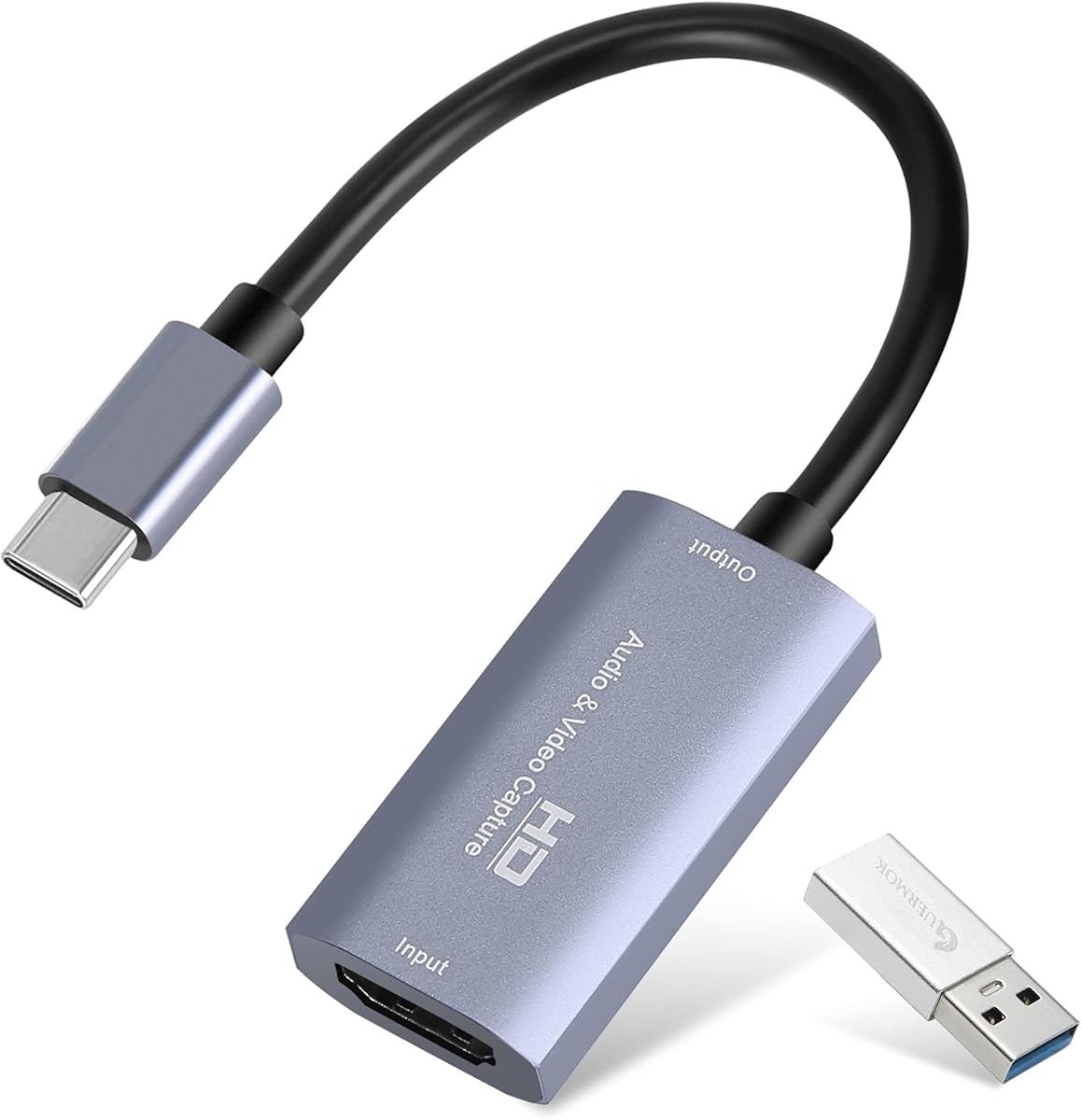
Guermok Video Capture Card
4.4Editor score
Affordable price point
Plug and play setup
USB 3.0 transfer speeds
This guide compares the top capture cards for Linux systems offering detailed insights on performance compatibility and features to help you choose the right
Finding a reliable capture card for Linux can be challenging due to driver constraints and hardware compatibility issues. This guide highlights ten top models that work seamlessly with open-source software and diverse operating environments for smooth streaming.
We evaluated each product based on Linux support, video quality, latency, and ease of setup. Our comparisons focus on real-world usage scenarios for gamers content creators and professionals who need dependable hardware without proprietary software dependencies.
Each pick includes key specs pros and cons to help you decide quickly. Keep in mind that prices and availability fluctuate so verify current details before purchasing to ensure you get the best value for your specific Linux setup needs.
4.4Editor score

4.4Editor score

4.2Editor score
This side-by-side comparison lists all ten models with their key specifications and compatibility notes to help you identify the best match for your Linux workflow without unnecessary technical guesswork.


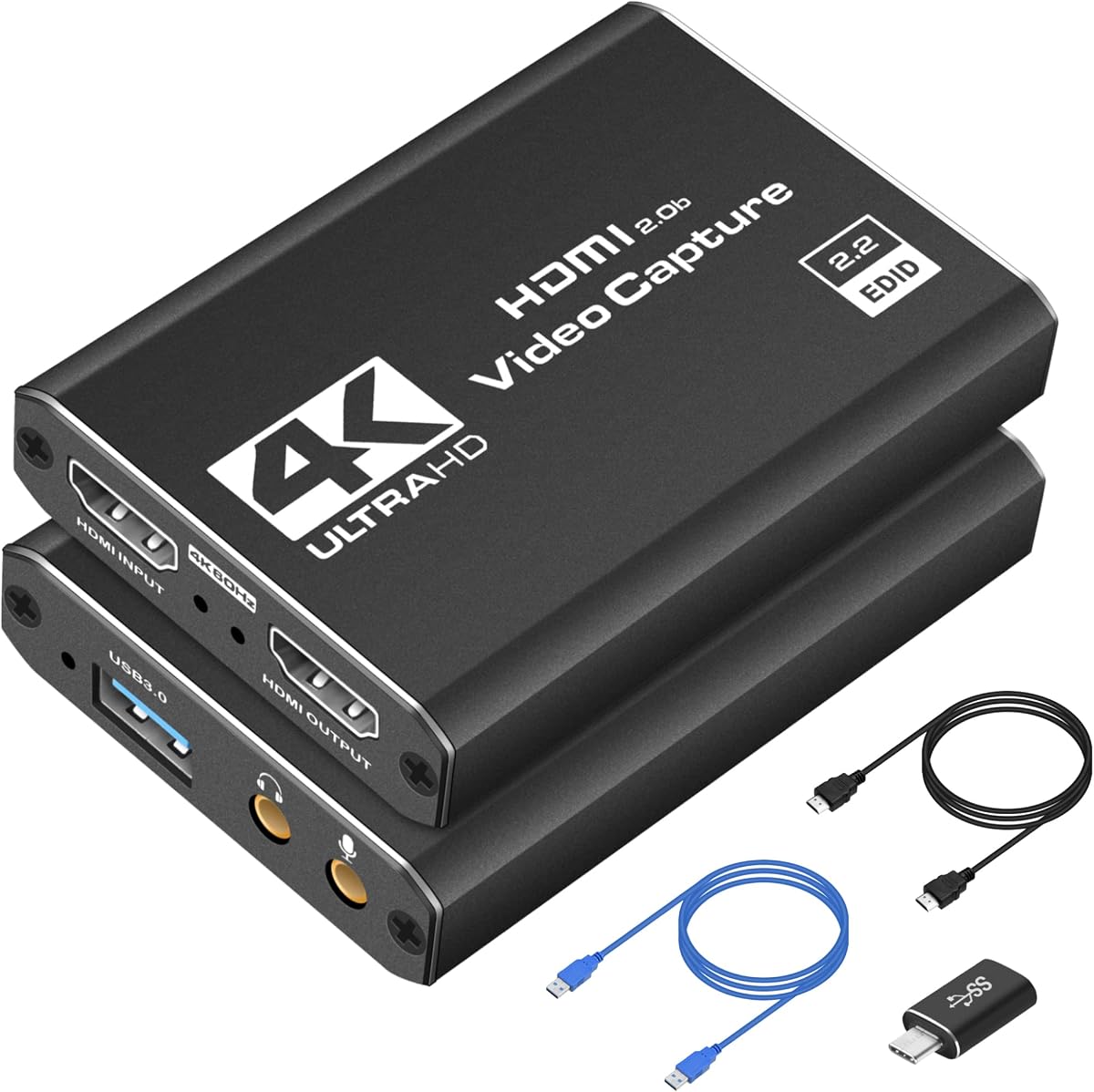


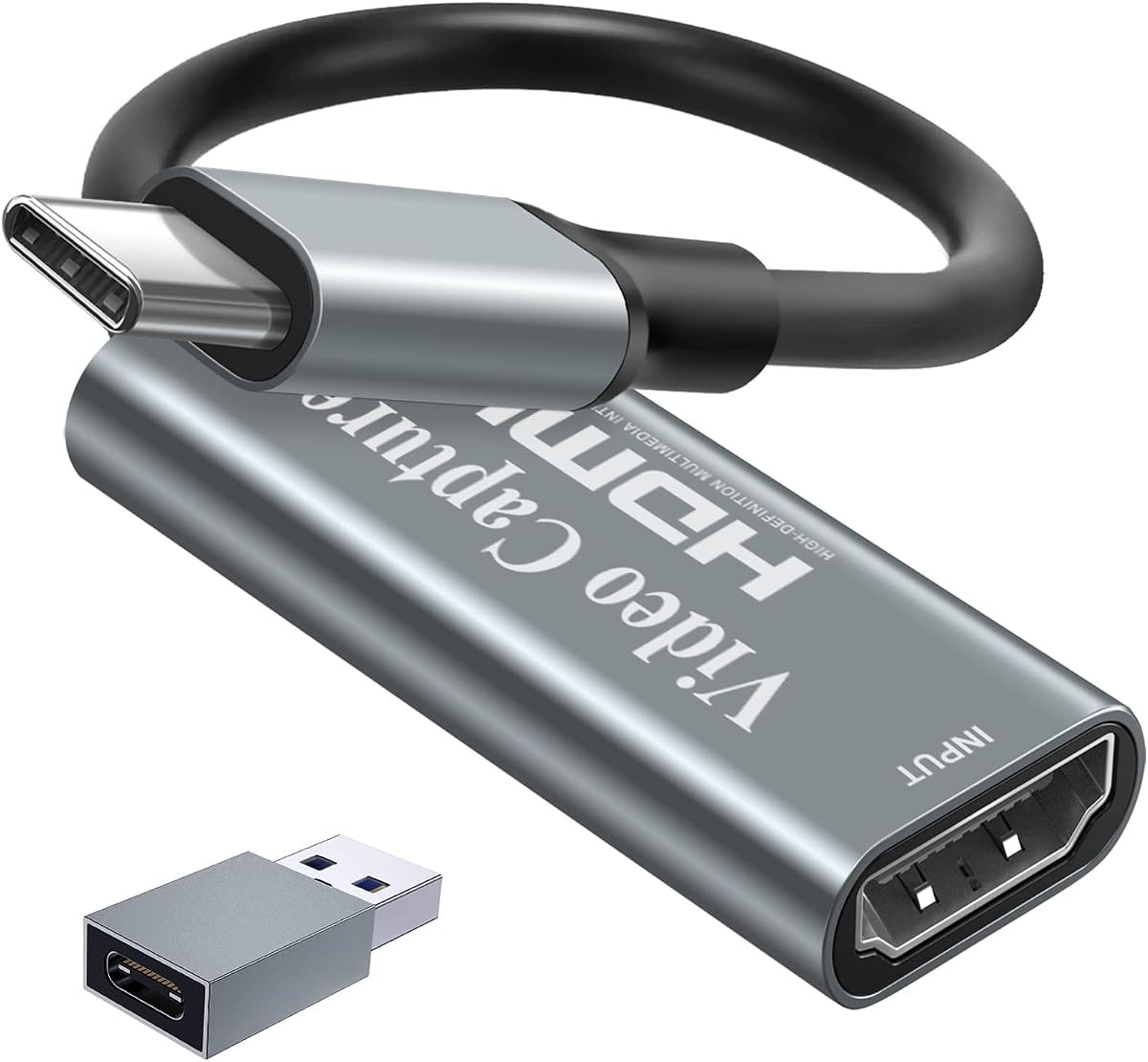
The acer USB 3.0 HDMI Capture Card is a solid choice for Linux users seeking reliable capture without driver headaches. It scores 4.4 stars for its plug and play functionality and seamless integration with open-source software like OBS.
We may earn a commission when you buy through this link, at no additional cost to you.
Its standout qualities include YUY2 technology which delivers richer colors for lifelike streams. The 1080P 60Hz output ensures smooth motion for gaming while the mic-in port allows real-time commentary without extra adapters.
While the build is lightweight and portable it may feel less durable than premium models. This trade-off is acceptable for budget-conscious creators who prioritize functionality and Linux support over rugged enclosures.
Anyone needing a simple affordable capture card for Linux should consider this model. It balances performance and ease of use making it ideal for streaming online classes or gaming on open platforms.
This device works instantly on Linux systems without additional drivers ensuring immediate capture readiness.
YUY2 technology provides richer color reproduction compared to standard MJPEG for professional visuals.
We may earn a commission when you buy through this link, at no additional cost to you.
UGREENs capture card earns the Editor's Choice badge for its robust Linux compatibility and versatile design. With a 4.4 rating it stands out for supporting 4K input and seamless loop-out capabilities essential for gaming monitors.
We may earn a commission when you buy through this link, at no additional cost to you.
The dual USB-A and C interfaces provide flexibility for modern laptops and desktops. Its aluminum casing aids heat dissipation during long sessions ensuring stable performance while the loop-out allows zero latency monitoring on external screens.
The capture limits output to 2K 30fps which may restrict ultra high definition streaming. Additionally HDCP must be turned off on consoles to work. These are minor constraints given the price and Linux optimization.
Streamers and gamers on Linux will appreciate this balanced option. It delivers professional features like loop-out and dual ports without compromising on open system compatibility.
Both USB-A and C ports allow connection to a wide range of devices without adapters.
Loop-out functionality lets you play games on a monitor while capturing to your Linux PC.
We may earn a commission when you buy through this link, at no additional cost to you.
The Guermok Video Capture Card offers the best budget value for Linux users needing reliable performance. It achieves a 4.4 rating with its plug and play design and support for 1080P 60FPS output.
We may earn a commission when you buy through this link, at no additional cost to you.
Its aluminum casing helps with heat dissipation during extended captures ensuring consistent frame rates. The USB 3.0 interface enables fast data transfer while the lightweight form factor makes it perfect for travel.
Be aware it supports only one-way transmission so direct screen casting isn't possible. Using an adapter might limit USB to 2.0 speeds. These are acceptable trade-offs for the low cost and solid Linux support.
Newcomers and budget creators should choose this for its simplicity. It delivers smooth streaming and recording without complex setup or high expenses.
This model delivers reliable capture features at an entry-level price point.
Its small size fits easily in bags for outdoor or on-the-go streaming sessions.
We may earn a commission when you buy through this link, at no additional cost to you.
Newhope USB 3.0 HDMI Capture Card is tailored for gamers on Linux who need low latency and real-time loop-out. Its 4.2 rating reflects reliable performance with 1080P 60FPS capture and 4K pass-through capabilities.
We may earn a commission when you buy through this link, at no additional cost to you.
The HDMI loop-out lets you play without delay while recording simultaneously. It includes a mic-in for commentary which streamlines streaming setups. The driver-free design ensures instant recognition on Linux systems.
Its rating is slightly lower than top competitors possibly due to support inconsistencies. However the core features remain strong for basic gaming capture needs without extra software overhead.
Gamers wanting simple plug and play capture on Linux will find this useful. It balances affordability with essential features for streaming gameplay to popular platforms.
The loop-out feature ensures no lag during gameplay while recording.
Mic-in support allows direct voice commentary without extra hardware.
We may earn a commission when you buy through this link, at no additional cost to you.
This generic Capture Card 4K HDMI targets content creators needing vibrant video capture and portable design. It holds a 4.4 rating with 1080P 60FPS output and a plug and play workflow.
We may earn a commission when you buy through this link, at no additional cost to you.
Its low latency performance ensures smooth streams for competitive gaming or live broadcasts. The lightweight design fits easily into bags for travel or events. Compatibility with Linux and tools like OBS makes it versatile.
The lack of specific brand documentation may confuse some users initially. However the straightforward setup minimizes this issue. These minor points do not hinder core performance for most creators.
Traveling creators or streamers should pick this for its balance of quality and portability. It offers professional capture features without complex setup.
Its compact build makes it ideal for creators on the move.
No drivers needed allows instant connection to Linux systems.
We may earn a commission when you buy through this link, at no additional cost to you.
UGREEN 2K@30Hz 1080P Video Capture Card stands out with the highest rating of 4.5 stars. It offers 2K output and 5 Gbps speed ensuring quality streams with minimal delay for Linux users.
We may earn a commission when you buy through this link, at no additional cost to you.
Its aluminum alloy casing shields against EMI and dissipates heat effectively. Dual USB-A and C ports provide broad compatibility with modern devices. It supports major platforms like OBS and Potplayer on Linux.
HDCP must be disabled for console use which may require console settings changes. The single-direction signal flow limits some setups. These are manageable constraints for the performance it delivers.
Creators needing reliable high quality capture should consider this model. It combines top ratings with versatile connectivity and Linux compatibility.
The 5 Gbps speed ensures high data transfer rates for smooth streaming.
Aluminum casing provides longevity and better heat management.
We may earn a commission when you buy through this link, at no additional cost to you.
This 4K HDMI Capture Card achieves a 4.6 rating for its audio video sync and plug and play functionality. It supports 1080P 60FPS recording and includes mic and headphone jacks for real-time monitoring.
We may earn a commission when you buy through this link, at no additional cost to you.
Linux systems recognize it instantly without drivers. The package includes cables and a manual. An 18-month warranty adds peace of mind for long-term use.
While it lacks advanced features like HDR pass-through its reliability is solid. The audio monitoring is great for podcasts or tutorials. These limitations are acceptable for the price and rating.
Anyone needing reliable capture with audio monitoring should choose this. It delivers high user satisfaction and seamless Linux integration.
Built-in mic and headphone jacks enable real-time audio feedback.
An 18-month warranty ensures customer support and product confidence.
We may earn a commission when you buy through this link, at no additional cost to you.
AVerMedia StreamLine MINI+ excels for console gaming with 4K60 HDR passthrough and ultra-low latency. While rated 4.0 it supports seamless streaming on Linux via OBS without extra drivers.
We may earn a commission when you buy through this link, at no additional cost to you.
Its 4K60 HDR passthrough lets you play in stunning quality while recording in 1080p60. The plug and play setup simplifies connection. Format options allow flexible workflows for different needs.
The rating is lower possibly due to price point or setup quirks. HDR features are great for high-end displays. These trade-offs are reasonable for gamers prioritizing visual fidelity.
Console gamers on Linux seeking HDR support should consider this. It offers professional features tailored for immersive streaming.
4K60 HDR passthrough ensures high dynamic range visuals during gaming.
Multiple format options help match specific streaming or editing needs.
We may earn a commission when you buy through this link, at no additional cost to you.
Papeaso Video Capture Card targets mobile users with USB-C interface and affordable pricing. It holds 4.2 stars for its plug and play design and Linux compatibility without driver needs.
We may earn a commission when you buy through this link, at no additional cost to you.
The USB-C end connects easily to modern laptops and tablets. It supports 1080P 60fps capture for smooth video. The compact design makes it ideal for portable streaming or recording.
Its performance is basic with no advanced features like HDR. Still it meets core needs for budget users. These constraints are acceptable given the portability and simplicity.
Mobile creators and budget streamers should find this useful. It offers easy connectivity and solid Linux support.
USB-C interface supports newer devices without adapters.
No driver requirements streamline setup for quick capturing.
We may earn a commission when you buy through this link, at no additional cost to you.
AVerMedia Live Gamer Ultra S is the top premium pick with 4K60 HDR passthrough and VRR recording. Rated 4.2 it delivers professional features ideal for advanced Linux streaming and editing.
We may earn a commission when you buy through this link, at no additional cost to you.
It supports 5.1-channel audio capture and ultra-wide inputs. The RGB24 support ensures accurate colors. Linux and Mac compatibility via USB-C allows flexible setups.
Its high price may be steep for casual users. Beginners might find the features excessive. However pros will value the VRR and high-resolution capabilities.
Professional streamers and content creators should choose this. It offers unmatched performance for high-end Linux workflows.
VRR recording and HDR passthrough support high-end gaming visuals.
5.1-channel audio capture ensures immersive sound for productions.
We may earn a commission when you buy through this link, at no additional cost to you.
Choosing a capture card for Linux requires attention to compatibility features and workflow needs. Here are key factors to consider for informed decisions.
Ensure the card supports Linux UVC class for plug and play. Some require drivers which can be unstable on open systems. Look for products explicitly listing Linux support.
Check product descriptions for Linux mentions and community feedback.
Capture 1080P 60FPS for smooth gaming. 4K input may not mean 4K output. Confirm actual output specs to match your needs.
Prioritize 1080P 60FPS output unless 4K is essential.
Low latency is crucial for live streaming. USB 3.0 ensures faster data transfer. Avoid cards with high input lag for gaming.
Choose models advertising low latency and USB 3.0.
USB 3.0 provides necessary bandwidth for HD video. USB-C offers modern connectivity. Verify your port availability.
Confirm USB 3.0 or C ports for best performance.
Mic-in allows direct commentary without extra hardware. Check if audio is synchronized. Some cards lack audio input entirely.
Ensure mic-in for seamless audio video integration.
Loop-out lets you preview gameplay without lag. Essential for multi-monitor setups. Not all cards include this feature.
Look for loop-out if real-time monitoring is needed.
Aluminum casing aids heat dissipation. Long captures generate heat. Plastic bodies may overheat.
Choose aluminum models for stability during long sessions.
Budget options work for basic needs. Premium cards offer better features. Check warranty for support.
Balance cost with required features and warranty coverage.
Connect the capture card via USB 3.0 port for best speed. Plug HDMI from source to card and loop-out to display if available. Launch OBS or similar software to detect the device.
Adjust software settings for 1080P 60FPS output. Enable audio sources like mic-in if supported. Ensure USB port provides sufficient power.
Store in a cool dry place when not in use. Avoid bending cables excessively. Clean ports gently with compressed air to prevent dust buildup.
Yes most listed models support Linux via UVC class for plug and play. Look for explicit Linux mentions in specs. Avoid cards requiring proprietary drivers for stability.
USB 3.0 is required for 1080P 60FPS. USB 2.0 limits resolution and frame rate. Verify your ports match the card needs.
All models work with OBS and similar open-source software. No extra drivers are typically needed. Select the device in video settings.
Loop-out lets you monitor gameplay without delay. It sends HDMI out to a display while capturing. Essential for competitive gaming streaming.
Standard HDMI 2.0 cables work for 1080P 60FPS. Ensure quality cables for signal stability. The package usually includes one.
Most include HDMI audio and some have mic-in. Check if your model supports external mic. Configure audio sources in software.
Aluminum cases dissipate heat better. Keep the card in a well ventilated area. Avoid covering it during long sessions.
Most capture at 1080P 60FPS. Some support 4K input but not output. Confirm specs before purchasing for your needs.
The acer UGREEN and Guermok cards offer strong options for Linux users balancing performance and price. Top picks ensure compatibility and smooth streaming with open-source tools.
Prioritize USB 3.0 support low latency and loop-out features based on your workflow. Choose budget-friendly for basics or premium for advanced needs.
Prices and stock change so verify current listings. Check reviews for latest Linux updates. This guide provides a solid starting point for informed choices.