
Electronic Silicone Adhesive Sealant
4.6Editor score
High viscosity insulation
Waterproof sealing
Wide temperature range
This comprehensive guide compares the top ten adhesives for electronic components including thermal glues, silicone sealants, and conductive epoxies for repair
Selecting the right adhesive for electronic components is critical for ensuring long-term reliability and performance in your projects. Whether you are sealing a circuit board or bonding a heatsink, the wrong choice can lead to overheating or corrosion failures.
We evaluated ten highly rated products based on their thermal conductivity, insulation properties, flexibility, and ease of application. Our analysis focuses on real-world performance data and manufacturer specifications to help you make an informed decision.
Each product listing below highlights key strengths and ideal use cases for different electronic repair scenarios. Please note that availability and pricing may fluctuate so verify current details before purchasing your preferred adhesive solution.
4.6Editor score

4.6Editor score
4.5Editor score
This side-by-side comparison outlines the core specifications and primary use cases for each adhesive to help you quickly identify the best fit for your specific electronic repair or assembly needs.


This electronic insulating adhesive forms a robust protective layer ideal for sealing and insulating various electrical materials. Its high viscosity ensures it stays in place without dripping excessively during application on vertical surfaces.
We may earn a commission when you buy through this link, at no additional cost to you.
The product delivers strong insulation properties and maintains transparency even after prolonged use. It is particularly effective for protecting circuits against moisture and environmental factors across a wide temperature spectrum.
While it offers excellent sealing capabilities users should note it is not designed for electrical conductivity. The drying time requires patience before the protective layer achieves full strength and elasticity.
Ideal for DIY hobbyists and technicians needing reliable weather resistance for cables and control boards this adhesive provides cost-effective protection for general electronic housing and component sealing tasks.
The adhesive withstands temperatures from -50C to 200C making it suitable for outdoor electronics and high-heat environments without degrading.
Its transparency ensures visual inspection of components remains possible after application and protecting them without obscuring critical details.
We may earn a commission when you buy through this link, at no additional cost to you.
Designed for precision work this T-7000 adhesive offers a needle dispenser that allows users to apply glue exactly where needed without mess. It is widely recognized for mobile device repair tasks involving screens and internal components.
We may earn a commission when you buy through this link, at no additional cost to you.
The glue maintains exceptional elasticity which allows it to absorb shocks and vibrations without cracking. This flexibility is crucial for handheld devices that experience frequent handling and potential drops during daily use.
Users must allow sufficient curing time for the bond to reach maximum strength which can take up to twenty-four hours. Testing on a small area is recommended to ensure compatibility with specific materials.
Tech enthusiasts repairing smartphones and tablets will find this adhesive invaluable for its balance of strength and flexibility. The included anti-clog cap helps preserve the remaining glue for future projects.
Stretching up to 900% of its original length this adhesive ensures repairs remain intact even under physical stress or bending.
The precision tip nozzle allows for accurate application on tiny components reducing the risk of excess glue damaging sensitive circuits.
We may earn a commission when you buy through this link, at no additional cost to you.
This silicone-based thermal glue features high thermal conductivity to ensure rapid heat dissipation for high-stress components like GPUs and VRMs. It provides a secure bond that withstands high operating temperatures without failing.
We may earn a commission when you buy through this link, at no additional cost to you.
Being non-electrically conductive and non-corrosive it is safe to use on delicate printed circuit boards. This safety profile makes it a reliable choice for securing heatsinks where electrical shorts are a concern.
While effective for VRM and chip cooling it is not recommended for CPU applications where liquid metal or paste is preferred. The small tube size may be insufficient for larger multi-component cooling arrays.
DIYers upgrading graphics cards or repairing high-power LED arrays will benefit from its permanent structural bond. It replaces messy pastes with a clean application that keeps components cool and securely attached.
Low thermal impedance ensures heat moves efficiently from the component to the heatsink reducing the risk of thermal throttling.
The non-corrosive formula protects sensitive circuitry from chemical damage ensuring the longevity of your motherboard components.
We may earn a commission when you buy through this link, at no additional cost to you.
With a thermal conductivity of 0.975W/m-K this adhesive helps electronic components dissipate heat effectively when bonded to heat sinks. The non-conductive nature ensures safety for both users and sensitive electronic devices during use.
We may earn a commission when you buy through this link, at no additional cost to you.
It cures quickly upon contact with air typically drying in about thirty minutes at room temperature which minimizes downtime during repair work. The strong adhesion to metals and non-metals ensures a reliable connection for various hardware types.
Users should avoid using it between CPUs and heatsinks as it is designed for structural bonding rather than thermal gap filling. Proper application ensures optimal performance without risking damage to the substrate.
This glue is an excellent choice for LED arrays and chipsets requiring secure mounting and thermal management. The 50g size offers ample material for multiple projects making it a practical option for enthusiasts.
Fast drying time allows for quick handling and assembly reducing the wait period before the bonded device can be used.
The formula does not expand during curing which prevents stress on delicate components and maintains long-term stability.
We may earn a commission when you buy through this link, at no additional cost to you.
This electronic grade silicone features a non-corrosive curing system making it ideal for protecting sensitive metals like copper and brass. Its neutral-cure formula emits no objectionable odors during curing which is beneficial for confined workspaces.
We may earn a commission when you buy through this link, at no additional cost to you.
It is specifically formulated for electrical production and assembly tasks requiring a high level of safety and precision. The silicone provides a durable protective seal that prevents environmental degradation of the electronic materials.
While generally odorless adequate ventilation is still recommended for large-scale production environments to ensure air quality. The squeeze tube design facilitates controlled application but may run out quickly for extensive projects.
Technicians working on corrosion-sensitive materials will appreciate its ability to seal without causing chemical reactions. It serves as a reliable barrier against moisture and contaminants in industrial and consumer electronics.
The non-corrosive nature ensures that sensitive metals used in electronics are not damaged by the curing process or the adhesive itself.
The squeeze tube packaging allows for direct and precise application reducing waste and improving ease of use for detailed work.
We may earn a commission when you buy through this link, at no additional cost to you.
Chip Quik offers this electronics grade silicone adhesive sealant designed for precise application on sensitive components. It is a reliable choice for sealing small areas where standard adhesives might be too aggressive or imprecise.
We may earn a commission when you buy through this link, at no additional cost to you.
The clear silicone provides a clean finish that blends well with various board colors and components. Its grade ensures it meets the safety standards required for internal electronic assembly and repair tasks.
The 20g size is compact which limits extensive usage but is perfect for spot repairs or small batches. Users should handle the tube with care to avoid accidental dispensing which can occur if squeezed too hard.
Professionals needing a trusted brand for delicate sealing tasks will find this product reliable for its consistent performance. It effectively seals against moisture and environmental contaminants for critical circuit areas.
Chip Quik is a well-known name in electronics soldering and repair products ensuring quality and consistency for user expectations.
It serves effectively as a sealant providing a barrier that protects components from humidity and dust accumulation.
We may earn a commission when you buy through this link, at no additional cost to you.
This kit includes T-7000 adhesive glue along with tweezers providing a complete solution for phone screen repairs. The precision tip nozzle allows for pin-point application ensuring glue is placed exactly where the screen meets the frame.
We may earn a commission when you buy through this link, at no additional cost to you.
It is designed to form a strong and lasting bond on delicate components ensuring your repairs are clean and professional. The elasticity of the glue allows it to absorb shocks which is vital for handheld devices.
While it offers excellent adhesion users must ensure surfaces are clean and dry for optimal results. Excess adhesive can be trimmed away after setting but requires a steady hand to maintain a professional look.
Mobile technicians repairing smartphones and tablets will appreciate the included tools and high-strength formula. It is a favorite for its balance of flexibility and toughness in screen replacement tasks.
The inclusion of tweezers helps with component handling making the repair process more efficient and accessible for users.
Widely recognized as a reliable solution for mobile device fixes it is trusted by both DIY enthusiasts and repair shops.
We may earn a commission when you buy through this link, at no additional cost to you.
This pack includes four pieces of T8000 glue in various sizes plus a tool kit making it versatile for different project scopes. It is applied with a needle precision applicator tip for controlled and precise application points.
We may earn a commission when you buy through this link, at no additional cost to you.
The glue features medium viscosity and industrial strength offering durability for materials like metal glass and rubber. It does not whiten or harden excessively ensuring a flexible bond that lasts over time.
The low-odor formula makes it safer for indoor use without overwhelming smells during application. Proper storage and covering the glue after use are necessary to maintain its effectiveness and prevent drying.
Crafters and repair technicians will find this variety pack convenient for diverse needs ranging from jewelry to mobile repair. The included screwdrivers and tweezers add value to the overall product offering.
Having different sizes allows you to use smaller amounts for delicate tasks and larger tubes for bulkier projects efficiently.
Unlike some adhesives that leave a white residue this glue remains clear maintaining the aesthetics of your repairs.
We may earn a commission when you buy through this link, at no additional cost to you.
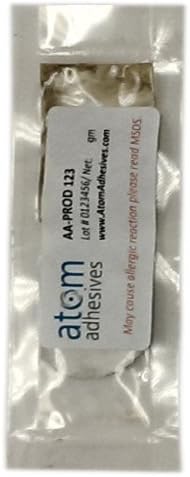
This electrically conductive silver epoxy is designed for applications where electrical connectivity is required alongside bonding. It is supplied in a single-use pouch that simplifies the mixing process for immediate use.
We may earn a commission when you buy through this link, at no additional cost to you.
The adhesive offers unbeatable strength bonding well to glass metals and fabrics making it versatile for various substrate needs. It hardens at room temperature providing a reliable cure without specialized equipment.
While effective its rating suggests it may not be the primary choice for high-precision conductive circuits compared to specialized options. The 24-hour hardening time requires planning to ensure the bond sets fully before stress.
It is suitable for low-volume resist needs and general electronic repairs requiring conductivity. Users should follow the mixing instructions carefully to ensure optimal conductivity and strength for the bond.
The silver formulation allows for electrical current to pass through the adhesive making it unique for specific repair tasks.
The pouch system reduces waste and ensures the correct ratio is mixed for consistent performance every time.
We may earn a commission when you buy through this link, at no additional cost to you.
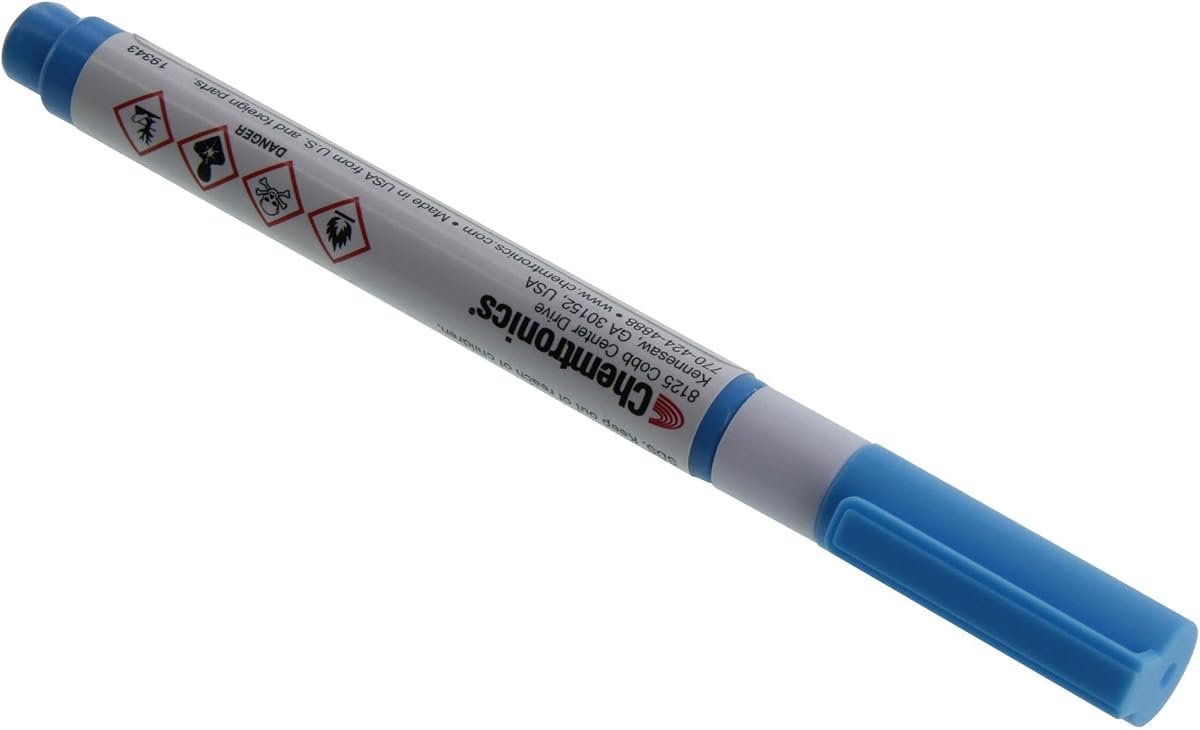
CHEMTRONICS provides this acrylic conductive adhesive with nickel content for high-performance shielding and grounding applications. It is a professional-grade product trusted for reliability in demanding electronic environments.
We may earn a commission when you buy through this link, at no additional cost to you.
The gray color and conductive properties make it ideal for shielding sensitive components from electromagnetic interference. It includes a dispenser and tools to facilitate precise application in technical setups.
While the cost is higher and quantity smaller than consumer options the performance justifies the price for critical repairs. The consistency of the adhesive ensures predictable results for professionals requiring specific conductive characteristics.
It is best suited for industrial applications where precise electrical pathways are necessary. The professional dispenser ensures you use the right amount reducing waste and improving the final outcome.
Designed for professional use it meets higher standards for conductivity and consistency compared to general-purpose adhesives.
Its conductive nature helps shield electronics from electromagnetic interference enhancing signal integrity and device safety.
We may earn a commission when you buy through this link, at no additional cost to you.
Choosing the right adhesive involves evaluating thermal conductivity insulation properties and bonding strength to suit your specific repair or assembly needs.
For components generating significant heat like GPUs or CPUs look for adhesives with high thermal conductivity. This ensures efficient heat transfer from the chip to the heatsink preventing overheating issues.
Always check the thermal conductivity rating to ensure it meets the cooling requirements of your hardware.
Decide if you need an electrically conductive adhesive for grounding or shielding applications. Most general-purpose adhesives should be non-conductive to prevent short circuits on printed circuit boards.
Use conductive options only when specific electrical pathways are required for the repair.
Some adhesives dry quickly allowing for faster turnaround while others require 24 hours for full strength. Consider your project timeline and whether you need immediate handling or permanent bonding.
Fast-drying options are ideal for quick repairs while longer cure times offer stronger structural bonds.
Elastic adhesives absorb shock and vibration making them ideal for portable devices like phones or tablets. Rigid adhesives might crack under stress which can lead to bond failure over time.
Choose flexible options for devices that experience frequent movement or impact.
Ensure the adhesive can withstand the operating temperatures of your electronic components without degrading. Extreme heat or cold can compromise the adhesive if the range is not suitable.
Check the maximum and minimum temperature ratings for safety in your environment.
Precision dispensing tips allow for controlled application on small components reducing the risk of messy spills. Look for products with needles or caps that prevent drying out during storage.
Tools included in the kit can simplify the process significantly.
Non-corrosive and odorless formulas are safer for both the user and the sensitive materials inside electronics. Avoid adhesives that emit strong fumes that could damage components during curing.
Neutral-cure options are generally safer for confined workspaces.
Select a tube size that matches the volume needed for your project to avoid waste. Smaller sizes are sufficient for delicate repairs while larger tubes are better for multiple or bulk jobs.
Consider variety packs if you need different amounts for different tasks.
Prepare the surfaces by cleaning them with isopropyl alcohol to remove dust and oils. Ensure both surfaces are completely dry before applying any adhesive to prevent weak bonds.
Apply the adhesive sparingly using the precision tip to avoid overflow onto sensitive contacts. For structural bonds apply gentle pressure and hold the parts together for the initial set time.
Store the glue in a cool dry place with the cap tightly sealed to prevent it from drying out. Follow safety precautions like working in a ventilated area to avoid inhaling fumes.
Thermal paste is designed for gaps and requires mechanical retention. Thermal glue provides a structural bond to secure the heatsink in place. Use glue if you need the heatsink to stay attached without screws.
Only use electrically conductive adhesives when you specifically need electrical connectivity. For general repairs use non-conductive options to prevent short circuits between traces on the board.
Drying times vary from 30 minutes to 24 hours depending on the product and environment. Always check the manufacturer guidelines for full curing time before stressing the bond.
Removing cured adhesive can be difficult and might damage components. Use heat or specific solvents carefully if removal is necessary but prevention through careful application is preferred.
Silicone is flexible and resistant to heat and moisture while epoxy is rigid and provides strong structural strength. Choose based on whether you need flexibility or hardness for the repair.
Many modern adhesives come with precision tips but tweezers or screwdrivers may help with positioning. A clean workspace and protective gear are recommended for safe handling.
Most electronic grade adhesives withstand temperatures up to 200 degrees Celsius. Verify the specific rating for your application to ensure stability under high heat conditions.
Many silicone-based electronic adhesives are waterproof and protect against moisture. This is useful for outdoor electronics or devices prone to humidity exposure.
This guide highlights a range of adhesives from budget-friendly silicone sealants to professional conductive epoxies tailored for various electronic repair needs.
Prioritize thermal conductivity and safety properties to ensure your repairs last longer and protect your components from damage or environmental stress.
Verify current availability and specific product details before purchasing to ensure you select the right adhesive for your project requirements.