
Teltonika RUTM50
4.8Editor score
Industrial grade build
RMS remote management
Failover support
This guide compares the top 5G routers with external antenna ports for rural and mobile internet, evaluating speed, signal strength, and reliability.
Finding reliable internet in remote areas requires a 5G router with external antenna ports. These devices connect to cellular networks and allow you to attach high-gain antennas for stronger signals.
We compared ten top models based on modem speed, antenna compatibility, and build quality. Each product offers unique features for home, RV, or industrial use cases.
Each pick highlights key strengths and weaknesses to help you decide. Prices and availability change frequently, so check current listings before purchasing your new router.
4.8Editor score

4.2Editor score

5.0Editor score
This side-by-side comparison covers all ten routers to help you choose the right model for your specific connectivity needs and environment.




The GL.iNet GL-X3000 is a powerful 5G router designed for homes and RVs. It supports both NSA and SA 5G standards and includes detachable antennas for better signal strength.
We may earn a commission when you buy through this link, at no additional cost to you.
Its dual-SIM feature allows automatic failover between carriers, ensuring consistent connectivity. The OpenWrt-based firmware provides extensive customization options for advanced users.
While the price is higher than average, the robust feature set justifies it. Setup can be complex for non-technical users but offers great flexibility.
This router is ideal for remote work or rural deployments needing reliable internet. Its multi-WAN and failover capabilities make it a top choice for serious users.
The six detachable antenna ports allow you to connect high-gain external antennas for improved range in remote areas.
Running on OpenWrt, the device supports over 5,000 plugins for tailored network management and security features.
We may earn a commission when you buy through this link, at no additional cost to you.
The RM520N delivers high-speed 5G internet using a Qualcomm SDX62 modem. It provides multiple antennas to ensure strong signal reception in rural environments.
We may earn a commission when you buy through this link, at no additional cost to you.
Its external SMA connector is a standout feature for users wanting to boost signal with a larger antenna. The device also supports various VPN clients for secure access.
However, the interface lacks polish compared to competitors. Documentation is sparse, which might make troubleshooting difficult for new users.
This model suits users prioritizing raw speed and signal strength over software elegance. It works well for fixed installations requiring robust external connectivity.
The router supports 4G LTE and 3G fallback ensuring you stay online even when 5G coverage is spotty.
Built-in VPN clients like WireGuard help encrypt data traffic when accessing your network remotely.
We may earn a commission when you buy through this link, at no additional cost to you.
The Teltonika RUTM50 is built for demanding industrial environments. It offers dual SIM failover and remote management to ensure business continuity.
We may earn a commission when you buy through this link, at no additional cost to you.
Its rugged design withstands extreme temperatures and conditions. The RMS platform allows centralized monitoring and configuration of multiple devices.
The price is a barrier for consumers but standard for industry. Setup requires some technical knowledge to leverage all features.
Ideal for factories or remote sites needing constant uptime. Its reliability and manageability make it a top choice for professionals.
Automatic switching between two SIMs ensures your network stays active even if one carrier fails.
The RMS platform simplifies network control for IT admins managing devices across different locations.
We may earn a commission when you buy through this link, at no additional cost to you.
The Cudy P5 offers a balanced mix of speed and flexibility. Its dual-SIM slots and triple failover keep connections stable.
We may earn a commission when you buy through this link, at no additional cost to you.
Four antenna ports allow for external upgrades if needed. The router also supports various VPN protocols for secure remote access.
While the app could be more feature-rich, the core functions work well. It is a solid option for small businesses.
This router is best for office or retail use where continuity is key. Its design and failover logic provide peace of mind.
Dual nano SIM slots enable you to keep a backup plan active on a different network provider.
The router can be mounted on a wall or placed on a desktop for versatile deployment options.
We may earn a commission when you buy through this link, at no additional cost to you.
The Chateau LTE6 is an affordable option for those who do not need 5G. It provides reliable LTE connectivity and a strong CPU.
We may earn a commission when you buy through this link, at no additional cost to you.
Five Gigabit ports offer extensive wired connectivity for a home office. RouterOS provides powerful tools for networking enthusiasts.
It lacks 5G speed and dedicated external antenna ports for cellular. This limits its use for pure mobile broadband scenarios.
Ideal for households needing a backup line or basic LTE access. It is a workhorse device that delivers consistent performance.
Supports multiple frequency bands simultaneously to increase download speeds and efficiency.
RouterOS gives users deep control over traffic shaping and network security configurations.
We may earn a commission when you buy through this link, at no additional cost to you.
The NetBox 5 ax is a Wi-Fi 6 access point and CPE designed for outdoor use. It supports PoE for easier installation.
We may earn a commission when you buy through this link, at no additional cost to you.
Its rugged enclosure protects against rain and dust. This makes it suitable for mounting on poles or walls outside.
It does not have a built-in cellular modem, so you need an external one. This adds to the setup complexity.
Best for extending wireless networks over long distances. It works well paired with an external 5G modem for rural coverage.
PoE allows you to power the device over Ethernet, reducing the need for separate power outlets.
Designed for point-to-point links it can bridge two locations wirelessly with strong signal.
We may earn a commission when you buy through this link, at no additional cost to you.
The LHG XL 5 ax features a high-gain integrated antenna for long-range links. It can cover distances up to 30km with stable speeds.
We may earn a commission when you buy through this link, at no additional cost to you.
It is designed specifically for point-to-point connections. This makes it great for connecting two buildings or remote farms.
While not a 5G router itself it acts as a robust wireless bridge. It requires another device for actual internet access.
Ideal for extending networks over difficult terrain. Its simplicity and performance make it a favorite for professional installers.
The 27 dBi grid antenna ensures strong focus and minimal interference in its direction.
Passive PoE allows the device to operate efficiently without needing a complex power setup.
We may earn a commission when you buy through this link, at no additional cost to you.
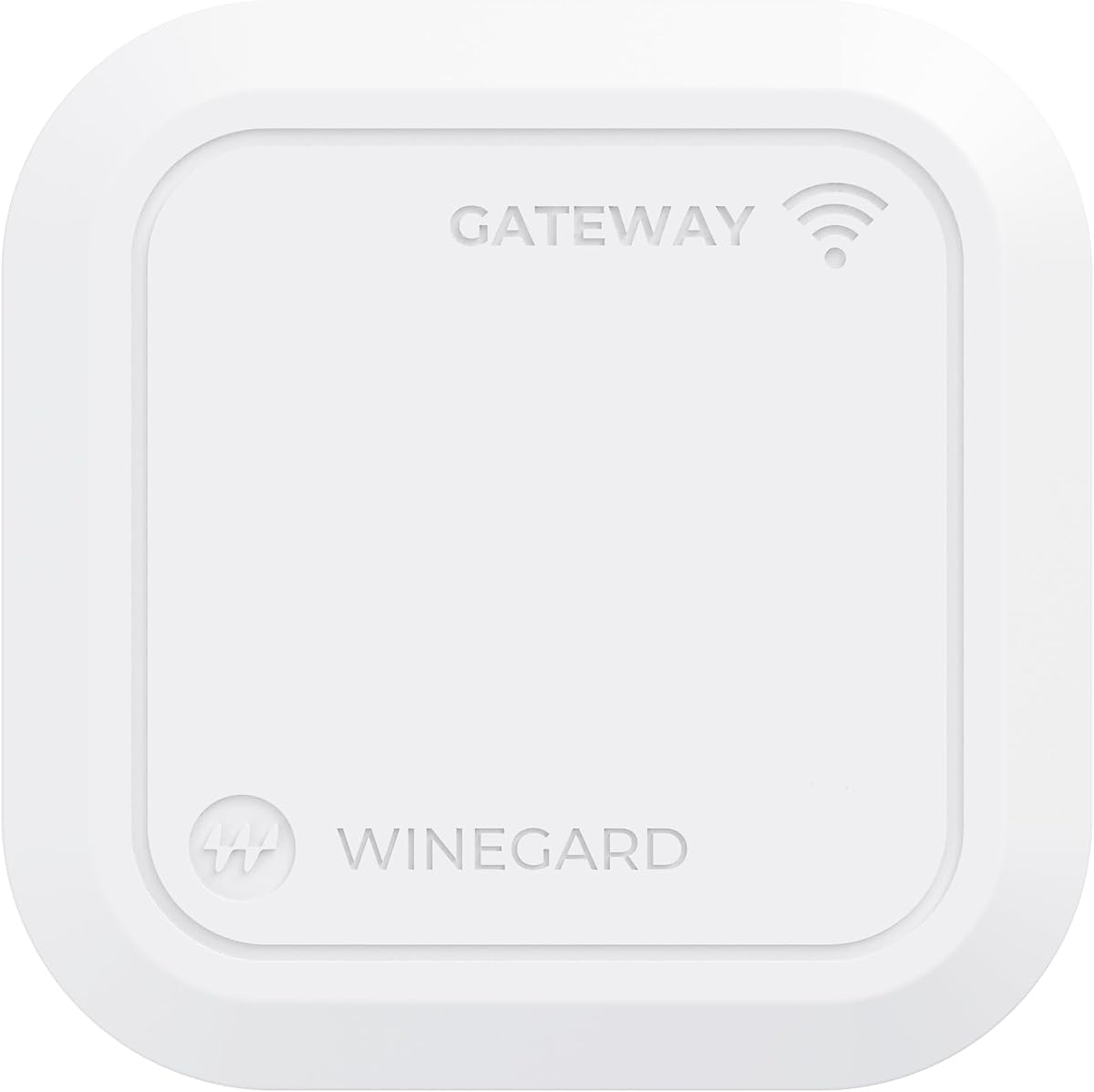
The Winegard Gateway is a router built specifically for RVs using the Air 360+ system. It fits neatly in the ceiling.
We may earn a commission when you buy through this link, at no additional cost to you.
It supports multiple carriers and offers hybrid connections by using Ethernet for Starlink integration. This provides flexibility on the road.
Its utility is limited to Winegard systems. Outside of an RV it is not as versatile as standard routers.
Best for RV owners already invested in the Air 360+ ecosystem. It simplifies connectivity and offers decent speed inside the vehicle.
The router is optimized to work with the Air 360+ dome antenna for seamless signal capture.
Adding Ethernet WAN allows you to connect satellite internet alongside cellular for redundancy.
We may earn a commission when you buy through this link, at no additional cost to you.
The GL-E5800 brings Wi-Fi 7 speeds to mobile users. It features an eSIM and dual nano-SIM slots for global access.
We may earn a commission when you buy through this link, at no additional cost to you.
Its battery allows you to work away from power for hours. The touchscreen simplifies carrier selection without needing apps.
It is expensive but offers unmatched portability. It is not designed for heavy whole-home use.
Ideal for business travelers and content creators. Its speed and battery make it perfect for hotspots on the go.
Built-in eSIM support lets you buy data plans for any country directly on the device.
Wi-Fi 7 provides massive bandwidth for streaming 4K content without lag.
We may earn a commission when you buy through this link, at no additional cost to you.
The QuadMini is an external antenna designed to boost 5G router performance. It uses MIMO technology to enhance data rates.
We may earn a commission when you buy through this link, at no additional cost to you.
Its omnidirectional design means you do not need to aim it carefully. It captures signals from all directions effectively.
It works best with routers that have multiple antenna ports. It is a great add-on if your router struggles with signal.
Best for rural users with weak signal. It is an affordable upgrade to maximize the potential of existing hardware.
The small size blends well on windows or walls without obstructing views.
Using 4×4 MIMO increases throughput and lowers latency compared to standard antennas.
We may earn a commission when you buy through this link, at no additional cost to you.
Selecting the right router depends on your location, budget, and technical needs. This guide explains the key factors to consider.
The modem determines how fast your internet can be. Look for routers with Qualcomm Snapdragon X62 or newer modems for top speeds.
Faster modems handle heavy usage better.
Routers with SMA ports let you connect larger antennas for stronger signals. Check how many ports are available.
More ports mean better MIMO performance.
Dual-SIM support allows you to use two carriers for backup. This ensures you stay online if one network fails.
This is critical for remote work.
Open-source firmware offers more control but may be harder to set up. Proprietary systems are easier but less flexible.
Choose based on your tech skills.
Industrial routers are built to withstand heat and weather. Home routers may fail if placed outside.
Check IP ratings for outdoor use.
Wi-Fi 6 or Wi-Fi 7 ensures faster local wireless speeds. Older Wi-Fi 5 routers may bottleneck your network.
Prioritize newer Wi-Fi standards.
Some portable routers include batteries for travel. Home models require a constant power source.
Match power needs to your setup.
Built-in VPNs let you secure data on public networks. This protects your privacy while traveling.
Look for WireGuard and OpenVPN support.
To get started, insert your SIM cards and connect the antennas to the SMA ports. Power on the device and access the admin panel via your browser.
Regularly update the firmware to ensure security and performance. Place the router near a window for better signal if using internal antennas.
If using external antennas, ensure they are weatherproofed to prevent moisture damage. Avoid bending cables excessively to maintain signal integrity.
These ports allow you to connect external antennas to boost signal. They are usually SMA connectors that let you use high-gain antennas for remote areas.
No, many mobile routers have built-in antennas. Only models designed for fixed or industrial use typically include external ports for upgrades.
Use an external high-gain antenna connected to your router. Ensure your router is near a window and facing the nearest cell tower for best results.
It is recommended for critical use. If one carrier fails, the router switches to the other SIM ensuring your internet stays active.
You must use antennas with matching SMA connectors and frequency ranges. Ensure the antenna is designed for 4G or 5G frequencies.
Modems with wideband support like Snapdragon X62 are best. They connect to multiple frequencies which increases the chance of a stable signal.
They offer great customization but require technical knowledge. If you want full control over settings they are worth the extra effort.
Use WPA3 security and enable built-in VPNs. Change default passwords and update firmware regularly to protect against threats.
The GL.iNet GL-X3000 and Teltonika RUTM50 stand out for their reliability and features. They are top choices for serious users.
Focus on your specific needs like speed or budget. External antenna support is essential for rural or mobile use.
Always verify current prices and compatibility before buying. A good router ensures you stay connected anywhere.