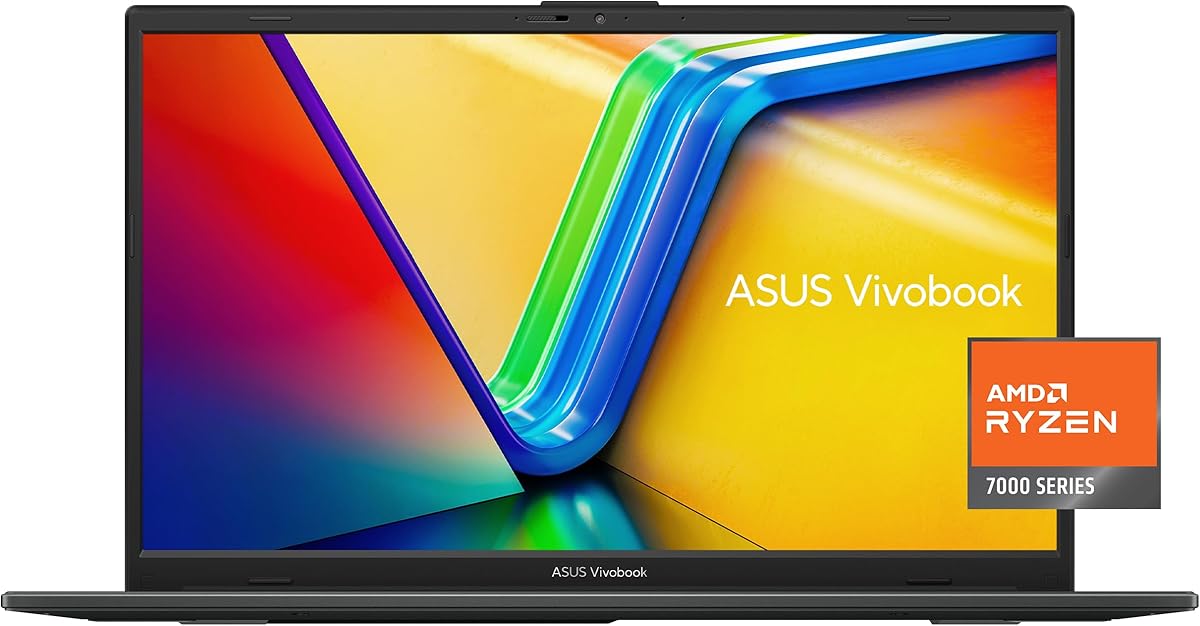
ASUS Vivobook Go 15
4.3Editor score
AMD Ryzen 3 Processor
8GB DDR5 RAM
Military Grade Durability
Finding the right computer for school requires balancing power, portability, and durability. ASUS offers a wide range of laptops tailored to student needs, from budget-friendly options to high-performance machines.
We compared ten top-rated models based on processor speed, memory capacity, storage options, and build quality. Our analysis focuses on real-world usability for coursework, research, and entertainment.
Each pick highlights key strengths and potential trade-offs to help you decide quickly. Note that availability and pricing may change, so verify details before making your final purchase decision.
4.3Editor score

4.8Editor score

4.5Editor score
As an Amazon Associate we earn from qualifying purchases.
This side-by-side comparison highlights the core specifications of all ten selected models to help you quickly identify which one fits your academic requirements.


The ASUS Vivobook Go 15 is an excellent entry point for students needing a reliable machine without breaking the bank. It scores well for portability and essential performance tasks like web browsing and document editing.
We may earn a commission when you buy through this link, at no additional cost to you.
Its AMD Ryzen 3 processor paired with 8GB of DDR5 RAM ensures smooth multitasking for standard coursework. The 15.6-inch display offers clear visuals for reading and research, while the slim bezels maximize screen real estate.
While the 128GB SSD is modest, it is sufficient for cloud storage users. The military-grade durability and privacy shutter add peace of mind for students carrying their device between classes daily.
Students on a tight budget who prioritize durability and essential specs should consider this model. It delivers core functionality reliably without the extra cost of high-end features.
The slim chassis and lightweight profile make it easy to carry in a backpack without adding unnecessary weight to your load.
Multiple USB ports and HDMI ensure you can connect to projectors or external monitors for presentations and collaborative work.
We may earn a commission when you buy through this link, at no additional cost to you.
This variant of the Vivobook Go 15 upgrades the storage and processor significantly. The 512GB SSD provides ample space for files and applications, while the Ryzen 5 chip handles heavier multitasking with ease.
We may earn a commission when you buy through this link, at no additional cost to you.
The inclusion of IceCool thermal technology ensures the laptop stays cool during extended study sessions. AI Noise-Canceling technology improves call quality, making it ideal for online classes and remote collaboration.
However, the RAM is soldered which limits future upgrades. Despite this, the current configuration meets most undergraduate needs for productivity and media consumption efficiently.
Students needing more local storage and better CPU performance than the base model will find this version highly suitable for general academic workloads.
Advanced cooling keeps the system quiet and comfortable even during long periods of active use like essay writing or coding.
Wi-Fi 6E offers faster and more stable internet connections which helps with downloading large research files or streaming lectures.
We may earn a commission when you buy through this link, at no additional cost to you.
The ASUS Vivobook 14 stands out for its AI capabilities and future-proof design. It features the Snapdragon X processor which offers impressive efficiency and performance for day-to-day academic tasks.
We may earn a commission when you buy through this link, at no additional cost to you.
With 16GB of RAM and a 14-inch FHD+ display, multitasking is fluid and visuals are crisp. The Copilot+ PC designation ensures access to advanced productivity features that can save time during research.
While gaming is not the focus, the integrated GPU handles media and casual apps well. The build quality is solid and the compact size makes it easy to manage in crowded lecture halls.
Students looking for a modern AI-enabled laptop with strong battery life and portability should prioritize this model for its balanced feature set.
Built-in AI tools can assist with summarizing texts or organizing notes which helps students manage heavy reading loads more efficiently.
The Snapdragon processor is known for low power consumption allowing you to work away from outlets for longer periods without anxiety.
We may earn a commission when you buy through this link, at no additional cost to you.
This model serves as a basic option for students who primarily need a device for web browsing and document writing. It is designed to be lightweight and easy to carry around campus daily.
We may earn a commission when you buy through this link, at no additional cost to you.
The Intel Celeron processor is adequate for simple tasks but may struggle with heavy multitasking. The 4GB RAM is on the lower side for modern web apps but works for focused work.
Storage is limited to 128GB eMMC which is slow compared to SSDs. However, for users who rely on cloud storage this limitation might not be a significant issue for their workflow.
If your budget is extremely tight and your software needs are minimal, this laptop provides a functional starting point for your academic journey.
The uncomplicated design and Windows 11 interface make it easy for anyone to start using it immediately without technical setup.
Its slim form factor ensures it fits easily into small spaces or tight bags making it convenient for commuting to classes.
We may earn a commission when you buy through this link, at no additional cost to you.
The Vivobook 16 offers a larger screen real estate which is beneficial for side-by-side document editing or spreadsheet work. It maintains the efficiency of the Snapdragon processor for long battery life.
We may earn a commission when you buy through this link, at no additional cost to you.
With 16GB RAM and a 512GB SSD it handles multitasking smoothly. The 16:10 aspect ratio provides more vertical space for content which improves productivity for writers and researchers.
The larger size makes it slightly less portable for smaller backpacks. However for those who spend most of their day in a classroom or library the comfort of the bigger screen may outweigh the size.
Students who prioritize screen size and battery endurance over ultra-portability will appreciate this balance of performance and efficiency in a larger chassis.
The extra inches allow you to keep reference material open alongside your work which reduces the need to constantly switch windows.
The Hexagon NPU optimizes AI tasks efficiently ensuring that the system remains responsive without draining the battery quickly during use.
We may earn a commission when you buy through this link, at no additional cost to you.
This model includes Windows 11 Pro which is useful for students needing advanced network features or encryption for sensitive projects. The 1TB SSD ensures you have plenty of space for large files.
We may earn a commission when you buy through this link, at no additional cost to you.
The Intel Core 5 processor provides a solid performance level for coding or data analysis. The inclusion of a docking hub adds value for connectivity without needing to buy extra accessories.
The 12GB RAM is a unique midpoint between standard options but may not be upgradable. Still, it supports efficient multitasking for most undergraduate majors comfortably.
Students who need professional-grade features like BitLocker or Remote Desktop will find this configuration particularly valuable for their academic and career preparation.
Windows 11 Pro offers enhanced security and management tools that are beneficial for handling sensitive research data or remote work.
Having a docking hub included means you can connect to multiple peripherals instantly which simplifies your setup at any desk location.
We may earn a commission when you buy through this link, at no additional cost to you.
A reliable workhorse for daily tasks, this laptop combines a capable processor with generous 16GB RAM. It handles multiple browser tabs and applications without slowing down during peak study hours.
We may earn a commission when you buy through this link, at no additional cost to you.
The 15.6-inch display provides a comfortable viewing area for research and writing. Wi-Fi 6 support ensures fast and stable internet connections which are crucial for online classes and cloud syncing.
While it lacks specific AI hardware features, its standard performance is robust for general academic use. The build quality is consistent with the Vivobook line offering durability for campus use.
Students who want a balanced laptop with strong memory and proven performance will find this model fits their needs well for long-term study.
Having 16GB of RAM allows you to run virtual machines or heavy applications without experiencing significant slowdowns or lag.
Wi-Fi 6 provides better bandwidth and efficiency which helps when downloading large datasets or streaming HD video lectures online.
We may earn a commission when you buy through this link, at no additional cost to you.
For students with demanding workloads like engineering simulations or high-end video editing this model delivers elite performance. The Intel Core i9 processor ensures rapid processing speeds for complex tasks.
We may earn a commission when you buy through this link, at no additional cost to you.
With 32GB of RAM and a 1TB SSD it future proofs your setup for several years. The security features like a fingerprint reader and physical webcam shield protect your data and privacy effectively.
The high performance does come at a cost and battery life will be shorter than efficiency-focused models. However for those who need raw power to get work done quickly it is a great investment.
Students in technical majors who need professional-grade speed should consider this model as a long-term asset for their studies and future career.
The i9 chip handles intense computational tasks quickly allowing you to run simulations or render videos with minimal wait time.
Biometric login and physical privacy shutters ensure that your sensitive information remains secure even if the device is left unattended.
We may earn a commission when you buy through this link, at no additional cost to you.
This laptop brings AI processing directly into the classroom with the Ryzen AI 7 350. The XDNA NPU enables features that can automate tasks and enhance productivity for creative work.
We may earn a commission when you buy through this link, at no additional cost to you.
The 14-inch WUXGA display offers high resolution visuals ideal for design and media. Combined with 16GB RAM it handles multitasking efficiently for both study and creative hobbies.
While it supports games better than typical student laptops the main focus remains on AI capabilities and general productivity. The backlit keyboard aids work in dim study environments like libraries.
Students interested in AI tools or creative workflows will find this model offers a unique edge over standard laptops with its specialized hardware.
The AI hardware can help automate repetitive tasks like organizing files or transcribing notes which saves significant time over a semester.
High resolution screen ensures that text and images appear sharp making reading long academic papers or digital art much easier on eyes.
We may earn a commission when you buy through this link, at no additional cost to you.
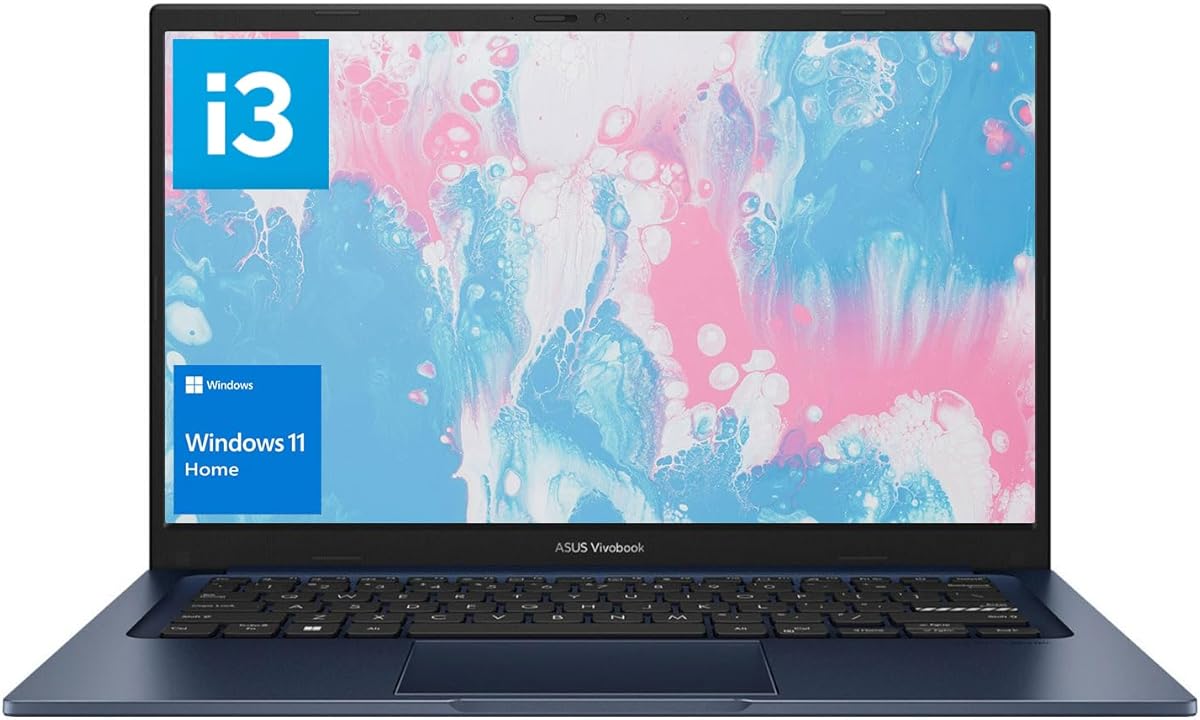
A well-rounded option for students needing more than the bare minimum this model balances a capable i3 CPU with generous RAM and storage. It handles everyday tasks without unnecessary cost.
We may earn a commission when you buy through this link, at no additional cost to you.
The 16GB RAM ensures that you can keep many applications open while working. The 512GB SSD provides ample space for software and files without relying heavily on the cloud.
The CPU is basic but sufficient for word processing and web research. For general studies this configuration offers a strong value proposition compared to higher end models.
Students looking for a reliable and affordable machine with enough power for most academic tasks will find this laptop meets their needs effectively.
This configuration offers high memory and storage at a lower price point which is ideal for students needing reliability without a large investment.
Multiple ports including USB-C and HDMI ensure you can easily connect to external displays or drives for presentations and data transfer.
We may earn a commission when you buy through this link, at no additional cost to you.
Selecting the right student laptop involves understanding your specific academic needs and budget constraints. This guide breaks down the essential factors to consider.
The processor is the engine of your laptop. For general students an Intel Core i3 or i5 or AMD Ryzen 3 or 5 is usually sufficient. Engineering students should consider i7 or i9 chips.
Look for modern generations to ensure longevity. Newer processors offer better efficiency and performance for the same wattage.
RAM determines how many tasks you can run at once. 8GB is the minimum for basic tasks but 16GB is recommended for multitasking and future-proofing.
If possible choose a model with upgradable RAM. However many modern thin laptops have soldered memory so check before purchasing.
SSDs are much faster than older eMMC or HDD options. Aim for at least 512GB of storage to hold your OS and files without running out of space.
Consider models with a secondary slot for expansion if your course requires storing large datasets or media files locally.
A clear display reduces eye strain during long study sessions. Look for Full HD resolution and anti-glare coatings for better visibility in various lighting conditions.
Portability often depends on screen size. 14 inches is easy to carry while 16 inches offers better workspace for multitasking.
Students often carry their laptops between classes so weight and size matter. Aim for under 4 pounds if you will be walking around campus frequently.
Check the dimensions to ensure it fits in your bag comfortably. Thin bezels help keep the footprint small even with larger screens.
Long battery life ensures you can work through a day without carrying a charger. Look for models that claim up to 10 hours of usage.
Fast charging technology is a bonus for quick top-ups between classes. It adds convenience when outlets are scarce in lecture halls.
Windows 11 offers strong compatibility with educational software. Pro versions include features like BitLocker and Remote Desktop useful for security and remote work.
Ensure the OS supports your necessary apps. Some specific academic software may have strict system requirements that you must check.
Modern students need fast and stable internet. Wi-Fi 6 support ensures you can connect to busy campus networks without dropping connections.
Check for ports like USB-C and HDMI to connect to projectors or external monitors easily. This is vital for presentations and group work.
Keep your laptop clean by dusting the keyboard and screen regularly. Use a microfiber cloth to avoid scratching the display and maintain clarity.
Avoid placing your laptop on soft surfaces like beds or sofas as this can block airflow vents. Use a hard surface to prevent overheating during long study sessions.
Update your software and drivers frequently to maintain security and performance. This ensures that new features and patches are applied efficiently.
Computer science students often need strong performance and RAM. Look for models with at least 16GB of RAM and a powerful processor like the Intel Core i5 or i7 to handle coding environments and virtual machines efficiently.
Many ASUS Vivobook models meet military-grade durability standards. They are designed to withstand minor drops and bumps which makes them suitable for daily transport in backpacks.
Typically 512GB is a safe baseline for storing documents and apps. If you work with large media files or datasets consider options with 1TB SSD storage to avoid relying on external drives.
Home is sufficient for most general use. However if you need specific features like BitLocker for security or remote desktop access Pro might be a better choice for your major.
Many modern thin laptops have soldered RAM which cannot be upgraded later. Always check the specifications to see if the memory is upgradeable before making a purchase decision.
Yes most models include HDMI or USB-C ports that support external displays. This is useful for connecting to classroom projectors or using a dual monitor setup at home.
Choosing the right laptop depends on your specific academic demands and budget. From budget-friendly entry models to high-performance premium picks ASUS covers a wide range of student needs.
Prioritize features that align with your workflow such as memory capacity and screen size. A balanced approach ensures you get the best value for your investment without overpaying.
Remember that prices and availability change over time. Verify the current specifications and pricing before finalizing your purchase to ensure you get the best deal available.