
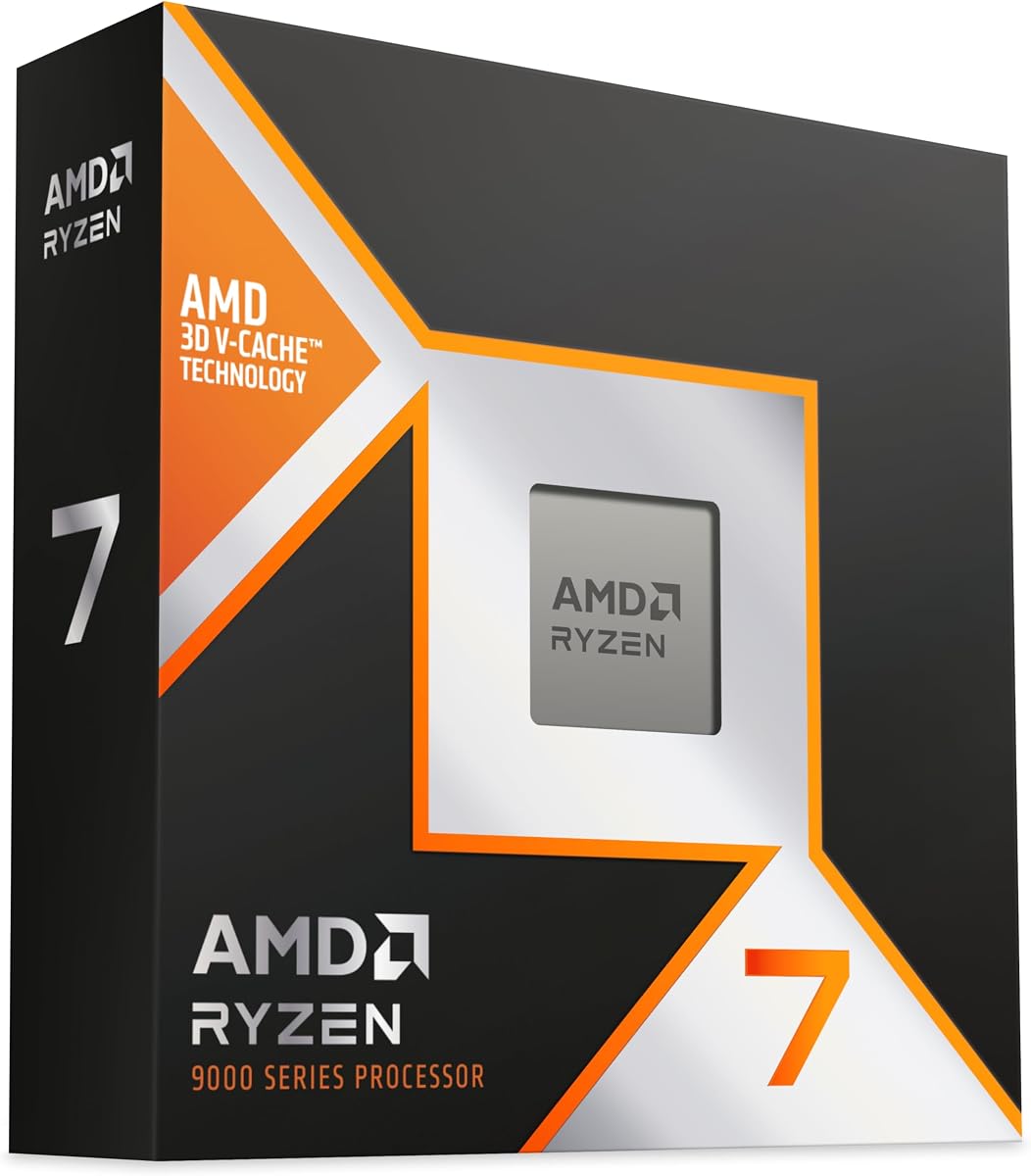
AMD Ryzen 7 7800X3D
4.8Editor score
Affordable price for great performance
Ninety-six megabyte L3 cache
Eight cores with efficient power usage
Discover the top Cpus for 3D Rendering compared by experts. Find the best processors for speed, efficiency, and budget in this comprehensive October 2026 guide.
Selecting the right processor is crucial for anyone involved in 3D rendering tasks. Whether you are an animator, architect, or game developer, your CPU determines how quickly scenes compute. A powerful chip ensures smooth workflows and reduces waiting times during complex projects.
We compared ten top-tier processors based on core counts, cache sizes, and architectural efficiency. Our analysis focuses on real-world performance metrics relevant to rendering workloads. This list covers options ranging from budget-friendly choices to high-end workstation solutions.
Each pick highlights specific strengths like cache capacity or thread count to help you decide. Note that prices change frequently so always check current listings before buying. We aim to provide clear insights so you can invest wisely in your hardware setup.
4.8Editor score

4.7Editor score

4.2Editor score
This side-by-side comparison helps you visualize the differences between each processor option. We list key specifications like core counts and cache sizes to make selection easier. Use this table to find the model that fits your specific rendering needs and budget constraints.



This processor stands out as a top choice for serious rendering tasks. It combines high core counts with advanced cache technology to speed up complex calculations. Users appreciate the balance between raw power and efficiency in daily workflows.
We may earn a commission when you buy through this link, at no additional cost to you.
The Zen 5 architecture provides a significant leap in instructions per cycle. This means more work gets done in less time during rendering jobs. The large cache helps keep data close to the cores reducing latency.
While it is expensive the performance gains justify the cost for professionals. You will notice faster render times compared to older generation chips. The only trade-off is ensuring you have a cooling system that can handle the heat.
If you need reliability and speed for heavy 3D work this model is ideal. It handles multitasking well so you can run other apps while rendering. We recommend it for studios or individuals who demand top tier performance.
The combination of sixteen cores and large cache allows rapid processing of detailed scenes.
Advanced architecture ensures you get maximum performance without excessive power consumption.
We may earn a commission when you buy through this link, at no additional cost to you.
This chip offers an excellent entry point for those needing 3D rendering power without breaking the bank. It delivers strong performance thanks to its large cache and efficient design. Many users find it handles typical workloads with ease.
We may earn a commission when you buy through this link, at no additional cost to you.
The eight cores are optimized for speed rather than raw quantity. This makes it very responsive for tasks that rely on single-core performance. The 5 nm process ensures it runs cool even under load.
You might find it slower on very large scenes compared to sixteen core chips. But for most projects the cost savings are significant. It is a smart choice if you need to balance budget and performance.
We suggest this for freelancers or hobbyists starting out in 3D work. It provides enough power to learn and create without overspending. The reliability and efficiency make it a standout option in its price range.
Priced lower than rivals it still delivers fast rendering times for most users.
Uses less power which reduces electricity costs and heat output significantly.
We may earn a commission when you buy through this link, at no additional cost to you.
This processor is built for professionals who face the most demanding rendering challenges. With thirty two cores it can process multiple tasks simultaneously without slowing down. The massive cache ensures data is ready when the cores need it.
We may earn a commission when you buy through this link, at no additional cost to you.
The eight-channel memory support provides incredible bandwidth for large datasets. This is crucial when working with high-resolution textures or complex simulations. It supports advanced features needed in enterprise environments.
The price is steep and you need a compatible workstation motherboard to use it. For small studios this might be overkill. But for large farms it reduces render times significantly saving money in the long run.
We recommend this for teams where time is money and projects are complex. It handles multi-user workflows better than standard desktop chips. If you need the absolute top performance this is the ultimate choice available.
Thirty two cores allow processing of scenes that would stall other processors.
Eight channels ensure data flows fast enough for heavy rendering tasks.
We may earn a commission when you buy through this link, at no additional cost to you.
This model brings the latest Zen 5 technology to the mid-range market. It delivers faster performance per watt which is great for productivity tasks. The cache is designed to speed up data access during rendering.
We may earn a commission when you buy through this link, at no additional cost to you.
You will see quick execution times for most standard projects. The thermal design allows it to run efficiently without overheating easily. It is a strong contender if you want modern features without the premium price.
Keep in mind that a cooler is not included in the box. You will need to budget for a separate cooling unit. This adds to the initial cost but ensures the CPU runs at peak speeds.
We suggest it for users upgrading from older systems who want speed. It balances cost and capability well for most 3D needs. The reliability and performance make it a safe choice for daily use.
Zen 5 design provides faster calculations and better efficiency than previous gen.
Better thermal performance helps maintain high speeds without thermal throttling.
We may earn a commission when you buy through this link, at no additional cost to you.
This processor is designed to deliver reliable performance for creative tasks. It features a strong cache setup that helps with quick data retrieval. Users report it handles complex operations smoothly in daily use.
We may earn a commission when you buy through this link, at no additional cost to you.
The architecture focuses on efficiency and speed per core. This means you get good results without needing extreme hardware. It is well suited for those who prioritize consistent performance over raw power.
Since it uses AM5 you will need a compatible motherboard. This is a consideration if you are building a new system. But the platform support ensures longevity and future upgrade options for your PC.
We recommend it for users wanting a balanced system for rendering. It offers great value when paired with the right components. The performance is consistent and it handles varied workloads well.
Delivers consistent clock speeds to maintain smooth workflow performance.
Uses AM5 socket which supports upcoming technologies and upgrades easily.
We may earn a commission when you buy through this link, at no additional cost to you.
This chip is ideal for creators who need fast rendering and multitasking. The sixteen cores allow you to handle multiple heavy tasks at once. It also supports the latest PCIe technology for high speed storage.
We may earn a commission when you buy through this link, at no additional cost to you.
You can unlock the full potential by overclocking if you wish. The boost clock of 5.7GHz ensures single-core tasks fly by. It is a flexible choice for those who like to tune their system.
Do note that a cooler is not included and liquid cooling is recommended. This adds to the setup complexity and cost. But the performance gains you get from the overclocking are worth the effort.
We suggest it for advanced users who want maximum control over performance. It bridges the gap between gaming and professional workloads effectively. The raw power makes it a top pick for heavy rendering jobs.
Unlockable multiplier lets you push speeds higher for faster results.
Designed to meet the demands of high-end content creation workflows.
We may earn a commission when you buy through this link, at no additional cost to you.
This processor is a great start for those entering the world of 3D rendering. It offers solid performance for basic models and lighter projects. The price makes it accessible for students or hobbyists on a budget.
We may earn a commission when you buy through this link, at no additional cost to you.
It runs on the latest Zen 5 architecture which ensures good efficiency. The six cores are enough for many common tasks. You will find it responsive for general productivity and light rendering work.
For very complex scenes it might take longer to render. But it is an excellent foundation for a build. You can upgrade later as your needs grow without replacing the entire platform.
We recommend it for learners who need reliable performance without high cost. It handles everyday tasks well and supports modern memory standards. A smart choice for those starting out in digital design.
Low cost makes it accessible for beginners and casual users.
Supports DDR5 memory and PCIe 5.0 for future readiness.
We may earn a commission when you buy through this link, at no additional cost to you.
This chip is built for stability and endurance in professional environments. It offers sixteen cores to handle heavy rendering jobs without faltering. Many professionals trust it for its consistent performance over long periods.
We may earn a commission when you buy through this link, at no additional cost to you.
The workstation chipset ensures better memory management and reliability. You can run extended renders without worrying about stability issues. It supports ECC memory which is vital for data integrity in critical projects.
It uses DDR4 which is an older standard but still capable. You might not get the latest speed improvements but it is proven. The cost is higher than desktop models but the reliability is key.
We suggest it for studios needing stability for continuous rendering tasks. It is a robust choice for environments where downtime is not an option. The reliability makes it a solid investment for business use.
Workstation features ensure stable operation during long rendering sessions.
Supports ECC memory to prevent data errors in critical tasks.
We may earn a commission when you buy through this link, at no additional cost to you.
This processor uses a hybrid design to balance speed and efficiency. It mixes performance and efficiency cores to handle different tasks smartly. This approach helps optimize performance for both rendering and background tasks.
We may earn a commission when you buy through this link, at no additional cost to you.
The high core count allows for good parallel processing capabilities. You will find it fast for applications that can use multiple threads. The cache size is decent for its class and helps with speed.
Keep in mind this is an exclusive model with limited availability. You may need to check regional stock to buy it. The motherboard requirements are specific so ensure compatibility before purchasing.
We recommend it for those who want hybrid benefits in their build. It offers a unique mix of cores that can adapt to workloads. Good for users looking for Intel options with modern features.
Hybrid architecture assigns tasks to cores best suited for them.
Total core count provides strong parallel processing for heavy tasks.
We may earn a commission when you buy through this link, at no additional cost to you.
This chip is a strong option for those already on the AM4 platform. It offers sixteen cores which is great for rendering tasks. Users appreciate the value it provides for existing builds needing upgrades.
We may earn a commission when you buy through this link, at no additional cost to you.
The Zen 3 architecture is proven to handle heavy loads well. You can overclock it to gain extra performance if needed. It supports DDR4 memory which is widely available and cost-effective.
While it is older it still holds up well for many projects. You might see slower speeds compared to newer chips but the cores make up for it. It is a reliable choice for those avoiding AM5 costs.
We suggest it for upgraders looking to maximize existing hardware. It provides excellent performance for the price on AM4 boards. A solid pick if you want power without switching platforms entirely.
Works with existing AM4 boards so no new motherboard is needed.
Offers a cost effective power boost for older system users.
We may earn a commission when you buy through this link, at no additional cost to you.
Choosing the right CPU depends on your budget and project complexity. We break down key factors to help you decide what features matter most.
More cores allow the processor to handle multiple rendering tasks at once. For 3D rendering, higher counts usually mean faster completion times for complex scenes. Look for at least eight cores for decent performance and sixteen for professional work. This ensures your system stays responsive even while heavy rendering occurs.
Summary: Prioritize higher core counts to speed up rendering times effectively.
Cache stores frequently used data closer to the cores for quick access. Larger cache sizes reduce the time the CPU spends waiting for data. In 3D workloads, this can significantly cut down rendering durations. Models with 96MB or more L3 cache often perform better than those with less.
Summary: Larger cache improves data access speed and overall efficiency.
Clock speed determines how fast individual cores execute instructions. Higher boost clocks help with tasks that do not scale well across many cores. For interactive rendering or preview work, higher speeds are beneficial. Aim for boost speeds above 4.5GHz for responsive performance in daily tasks.
Summary: Higher clock speeds ensure fast single-threaded task execution.
The socket type dictates which motherboards the CPU can use. AM5 and AM4 are common AMD options with different memory support. Choosing a current platform ensures future upgrade paths and better memory bandwidth. Check motherboard compatibility before buying to avoid extra costs later.
Summary: Verify socket compatibility to ensure smooth integration with your system.
Power efficiency affects heat generation and electricity usage over time. Efficient chips run cooler and can sustain high speeds without throttling. Look for architectures that balance performance with lower power draw. This helps in maintaining stability during long rendering sessions.
Summary: Efficient chips reduce heat and maintain performance during long tasks.
Workstation CPUs often support ECC memory and more PCIe lanes. These features are vital for professional environments needing data integrity. If you need maximum stability or multi-user setups, consider these models. They are pricier but offer reliability for critical projects.
Summary: Workstation features add reliability for professional and multi-user needs.
Your budget will likely dictate whether you choose consumer or workstation chips. Consumer options offer great value for most users without the premium price. Balance what you need now with potential future upgrades to save money. Sometimes buying less powerful but cheaper makes sense for small studios.
Summary: Balance immediate needs with future needs to stay within budget.
High performance chips generate heat that requires adequate cooling solutions. Ensure you have a compatible cooler that matches the thermal output. Liquid cooling is often recommended for high-end processors to prevent throttling. Investing in cooling protects your CPU and maintains consistent speeds.
Summary: Proper cooling is essential to maintain performance on high-end chips.
Install the CPU carefully on the motherboard to avoid bending pins. Use thermal paste correctly to ensure the heatsink transfers heat efficiently. This step is critical for maintaining optimal temperatures during heavy rendering tasks.
Keep your system clean of dust to prevent overheating. Use compressed air to blow out dust from fans and heatsinks regularly. Clean air flow helps the cooling system work better over time.
Update your BIOS to ensure compatibility with new CPU models. This can fix stability issues and enable new features for your processor. Regular updates keep your system running smoothly with the latest tech.
For basic projects, a quad-core processor is acceptable. However, for efficient rendering, we recommend at least eight cores. More cores help in reducing render times significantly for complex scenes. This balance ensures cost savings while maintaining productivity.
Yes, larger cache sizes help store more data closer to the cores. This reduces data access delays during rendering operations. Models with high cache counts typically show faster performance in benchmarks. It is a key factor to consider when selecting a processor.
Workstation CPUs offer features like ECC memory and better stability. For businesses needing uptime, these are worth the investment. Casual users may find consumer chips sufficient for their needs. Consider your specific use case before deciding on expensive options.
Yes, many older platforms support DDR4 memory effectively. AM4 sockets allow you to use existing DDR4 kits. While DDR5 is faster, DDR4 is still capable for most tasks. It helps save money if you have older compatible components.
It depends on the specific model and your usage intensity. High-end chips often benefit from liquid cooling to prevent throttling. For standard use, air cooling might be adequate. Check the manufacturer recommendations for your specific CPU model.
Update your BIOS when new CPU support or stability fixes arrive. This ensures your motherboard recognizes the CPU correctly. Updating too frequently without reason is not necessary. Check the manufacturer site only when you have specific needs or issues.
Beginners should look for chips that balance cost and performance. Options like the Ryzen 5 series offer great entry points. They provide enough power to learn without high expenses. This approach helps avoid overspending while gaining essential skills.
We reviewed ten processors ranging from budget options to high-end workstations. The Ryzen 9 9950X3D stands out as our top overall pick. It balances power and efficiency perfectly for demanding creative tasks.
Prioritize core counts and cache sizes when making your final decision. These factors have the biggest impact on your rendering speed. Choose a model that fits your current needs and future growth plans.
Remember to check current prices before buying to ensure you get value. Prices fluctuate so comparing deals is always a smart move. We hope this guide helps you find the right chip for your 3D work.